Strasbourg Christmas Market: The Complete Guide
Europe's oldest Christmas market from a visitor's point of view: what the city has confirmed, which of the nine sites earn your time, and what a day costs.
Strasbourg has called itself the Capital of Christmas since 1570, and for once the slogan is older than the marketing that uses it. The Christkindelsmärik on Place Broglie is the oldest Christmas market in France and one of the oldest in Europe.
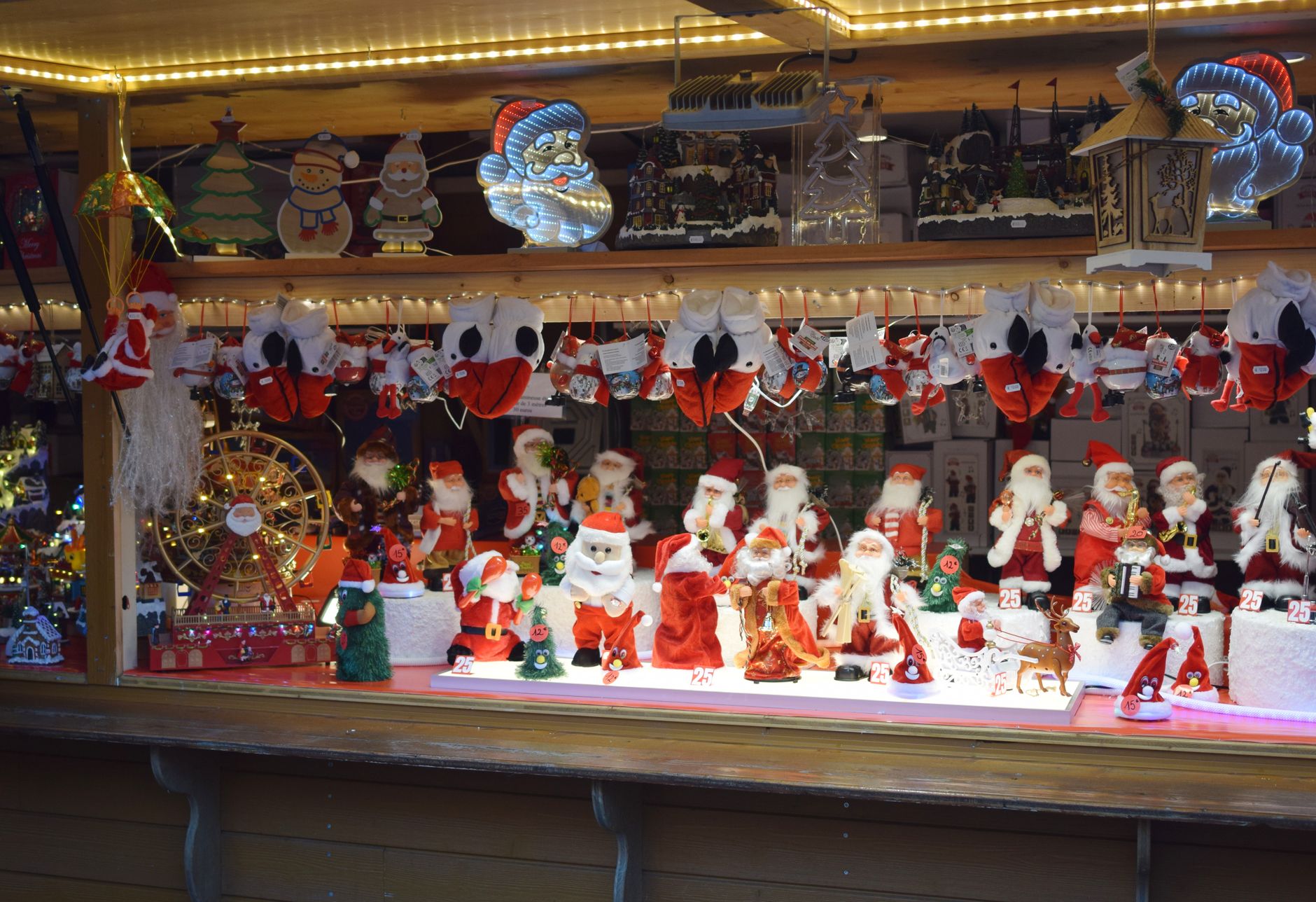
The modern version spreads around 300 wooden chalets across nine sites on a single island in the middle of a river, all of it walkable in twenty minutes. That density is the whole argument, and it is what this page is really about.
The short version
| Question | Answer |
|---|---|
| How many markets? | Nine sites: 8 official markets plus the alternative Marché OFF |
| When | late November to 24 December, closing early on Christmas Eve |
| Opening hours | Daily, 11.30am to 9pm |
| Entry | Free. There is no ticket office and no fence |
| Where | The Grande Île, the UNESCO listed old town, entirely on foot |
| Getting there | By train. Paris Est to Strasbourg in 1 hr 45 min |
| The one mistake | Turning up on a Saturday afternoon without a room booked |
Dates: what the city has confirmed, and what it has not
At the time of writing, the city of Strasbourg has not published official dates for the coming edition. That is not an oversight. Dates are set every year by a municipal order that normally appears in the autumn.
Be sceptical of sites that already display exact dates. We found several travel portals doing exactly that, contradicting each other, and none of them confirmed by the city.
What is stable is the pattern. The market opens on the Wednesday or Thursday of the last week of November and closes on 24 December in the late afternoon, which in practice means late November to 24 December.
If you have to book before the dates are announced, the window of 1 to 23 December has fallen inside every recent edition. The day by day detail, including the strange few days after Christmas Eve, is on our page of dates and opening hours.
The nine markets, and what separates them
The most common first-visit mistake is to arrive at Place Broglie, push through the chalets for an hour and leave. That is roughly one ninth of it.
- Christkindelsmärik, Place Broglie. The original, running here since 1570, around 65 chalets. Busy, and the most traditional in feel.
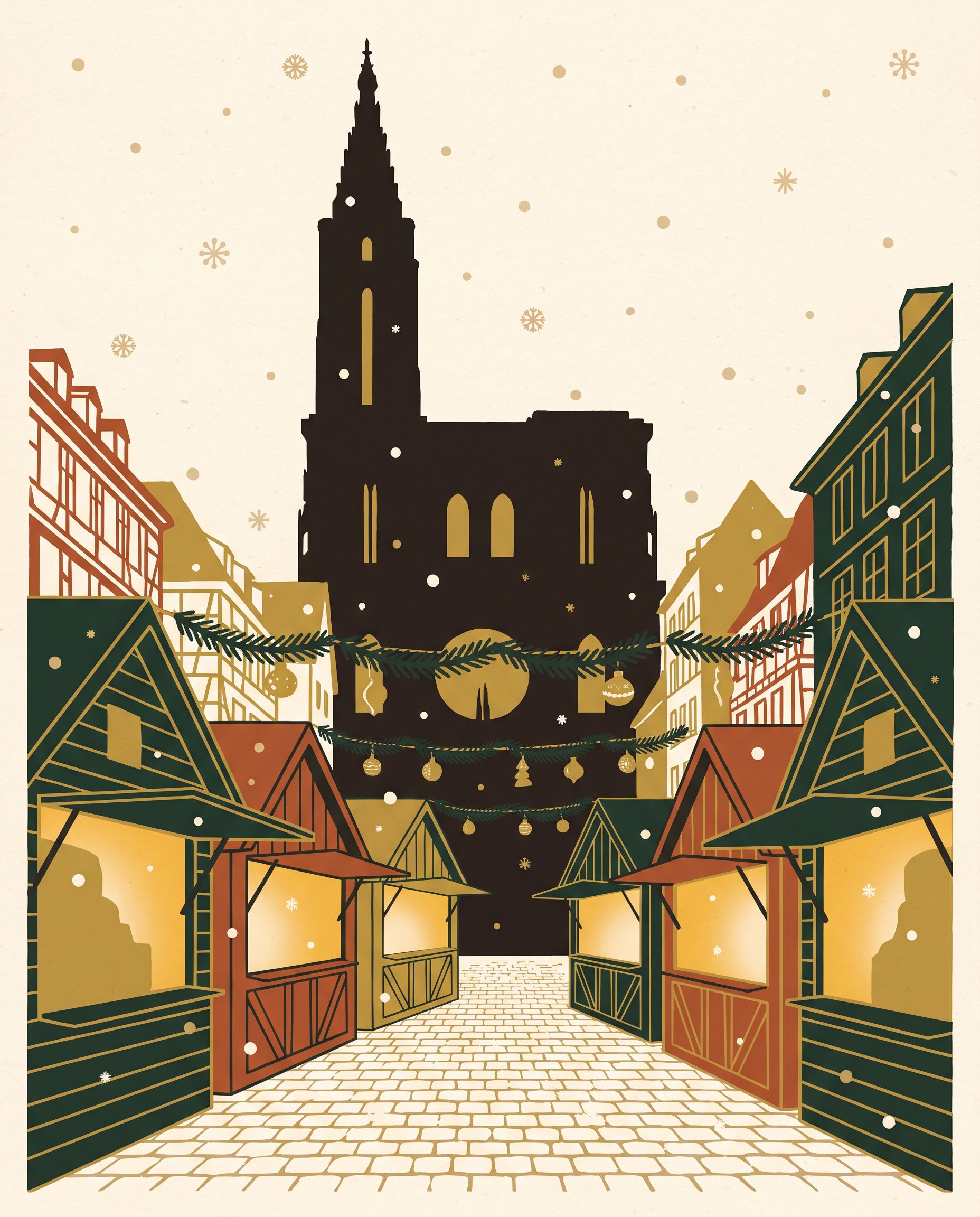
- Around the cathedral, Place de la Cathédrale and Place du Château. The best backdrop in the city, and the most photographed.
- The Great Tree, Place Kléber. A real fir of roughly thirty metres (about a hundred feet), plus the charity chalets of the Village du Partage.
- Quai des délices, on the Palais Rohan terrace. The food market, on the riverbank.
- Carré d'Or, Place du Temple Neuf. Designers and craft, noticeably quieter.
- Small Alsatian producers, Square Louise Weiss. Growers, beekeepers, cheesemakers. The most honest stalls on the island.
- La Petite France, Place Benjamin-Zix and Place Saint-Thomas. Timber frames and canals, the postcard.
- Marché OFF, Place Grimmeissen. The alternative one: second hand, social enterprise, concerts and workshops.
Which site for which purpose, with walking times between them, is set out in our map of the nine markets.
Getting there: the train does almost everything
Strasbourg is the easiest major Christmas market in Europe to reach by rail, and in December it is the only sensible way in. The station sits ten minutes' walk from the old town, so you arrive, drop your bag and walk straight into the market.
From Paris Est the fastest service runs in 1 hr 45 min. From Germany, Frankfurt is 1 hr 50 min away and Stuttgart 1 hr 23 min. December seats go on sale in early October and the good ones go quickly.
Once here you walk. During the market the Grande Île is fully pedestrianised from 11.30am to 9pm, parking on the island is banned day and night, and three city centre tram stops (Broglie, Langstross Grand'Rue, Alt Winmärik) close during the day.
If you do arrive by car, leave it at one of the twelve park and ride sites on the edge of the city: €4.20 for the day covers unlimited tram and bus for everyone in the vehicle. Parking in Kehl on the German side and taking tram D, 24 minutes to the centre, works just as well.
Where to stay, and why you should already have booked
This is where trips go wrong. Hotel occupancy across the city runs at around 95 per cent during the market, according to the city's own review of the 2024 edition, and the best addresses in the centre are full months ahead.
The critical detail that no booking site tells you: the Grande Île is a security perimeter for the duration of the market. Every bridge onto the island has a checkpoint, bags are inspected, and unauthorised vehicles do not get through.
So the question is not how many stars your hotel has. It is how far you walk with a suitcase, and whether that walk crosses a checkpoint. Eleven checked addresses with measured walking times are in our hotel comparison, and the neighbourhood by neighbourhood logic is in where to stay.
Eating and drinking
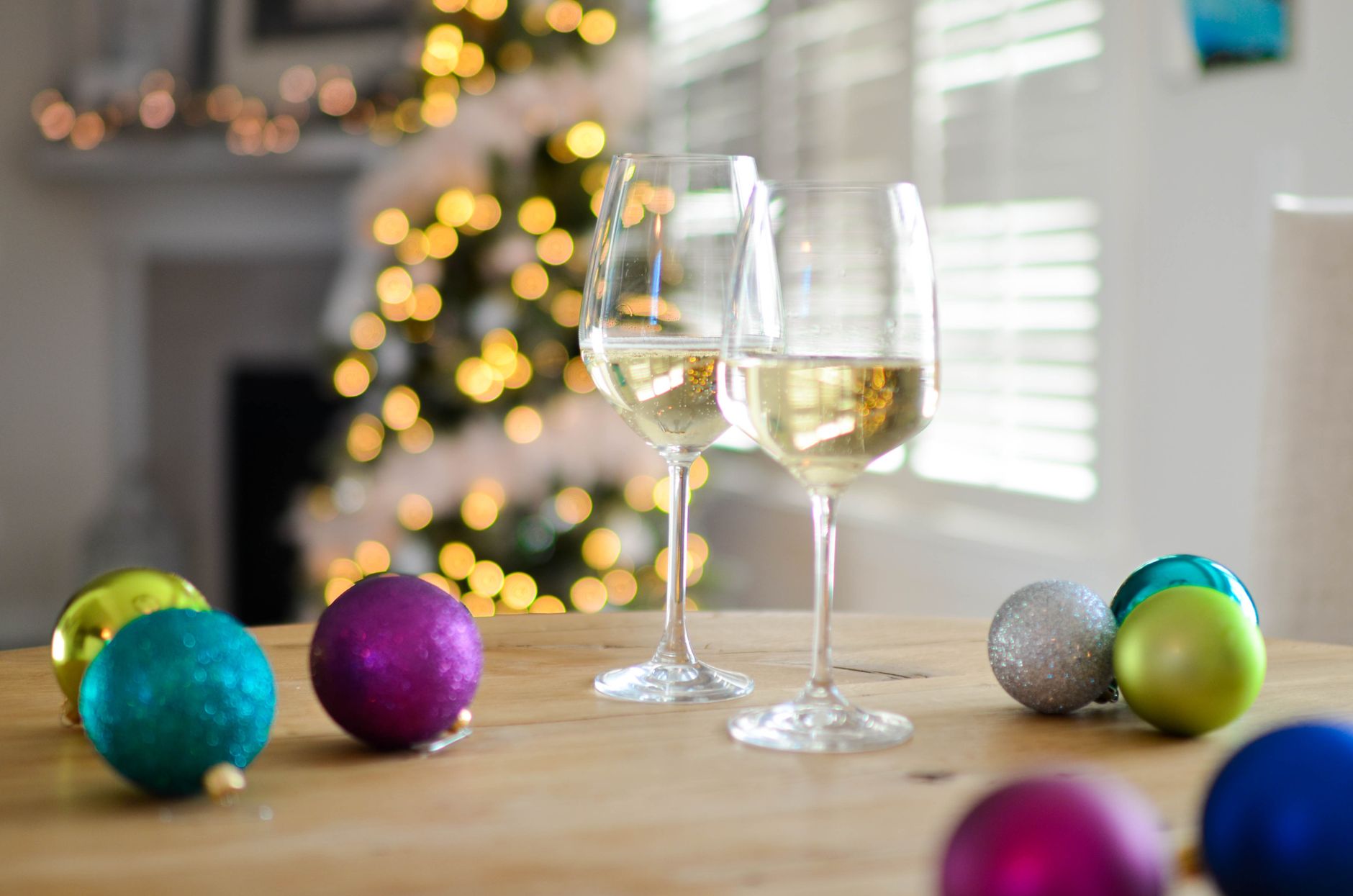
The city sets the pitch fees but not the selling prices, which vary from chalet to chalet. Mulled wine is the cheapest thing on the market and comes with a small refundable deposit on the mug, so your first cup costs a little more than every one after it.
You can hand the mug back at any chalet selling drinks, not only the one that gave it to you. Or keep it: the design changes every year and it is a better souvenir than most of what is on sale.
The thing most visitors miss is that Alsace makes its mulled wine from white wine. The region is around 95 per cent white, the recipe is built on dry Riesling or Pinot blanc, and the result is less sweet and less heavy than the red version. Ask for vin chaud blanc.
On the food side, expect bretzels, white sausage, tarte flambée, spaetzle and choucroute. If you have never met Alsatian food, our guide to what to eat in Alsace explains what is actually on the plate.
When it is busy, and when it is not
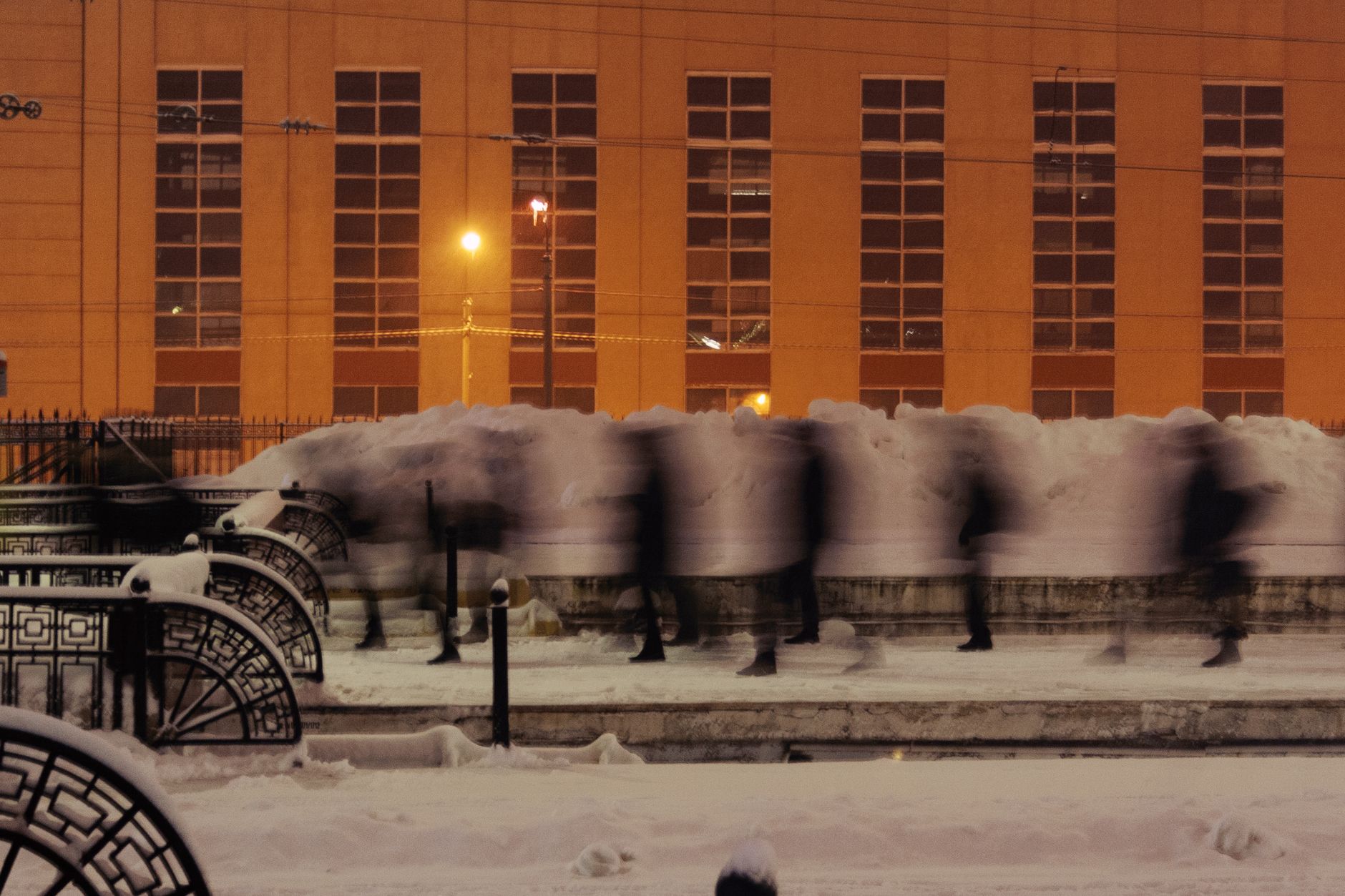
The market draws several million people onto a few hectares of old town, and the spread across the week is wildly uneven.
| Window | What it feels like |
|---|---|
| Weekday, 11.30am to 4pm | Comfortable. You get through everywhere and you get served. |
| Weekday, after 5pm | Busy but workable. The lights are on and it is at its best. |
| Saturday, 2pm to 8pm | The peak. Walking pace in the narrow lanes. |
| Sunday morning | The insider slot. The day trippers have not arrived. |
| After 8.30pm | The streets empty noticeably and the lights stay on. |
The illuminations come on at dusk, which in December here means around 4.30 to 5pm. They are not limited to the market squares: practically every lane on the island is decorated.
The market in official figures
- 3.4 million visitors in the record year of 2024 and 3.05 million in 2025, against roughly 2 million a year before 2020, according to the city's own reviews.
- Around 250 million euros of economic impact, per the tourist office, which makes it the largest French event of its kind by duration and by impact.
- Around 300 chalets across the nine sites. Local press counted 284 precisely in 2025, of which 65 on Place Broglie alone.
- Foreign visitors lead: Germans, Americans and Swiss first, then Spanish and Italian, per the 2024 review.
Is it worth the trip, honestly
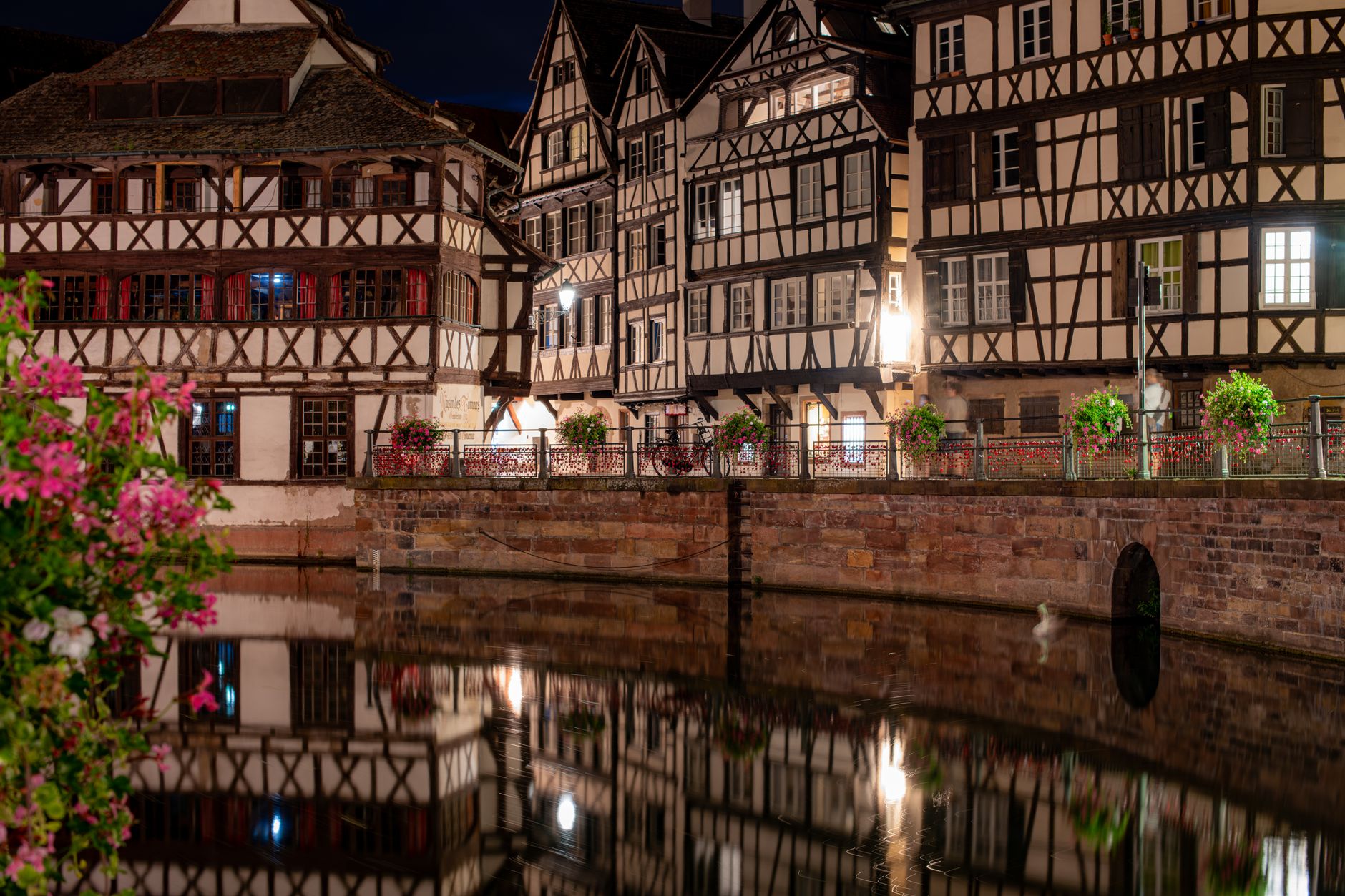
Yes, for the density and for Alsace. Nine markets on an island you cross in twenty minutes give a concentration that no other city manages, wrapped around a UNESCO listed old town and a Gothic cathedral that was the tallest building in the world until 1874.
What you should realistically expect: it is crowded, it is more expensive than at home, and not every chalet sells Alsatian craft. The city rewrote the market rules after a citizens' jury and now requires stalls to declare where goods come from, but it cannot legally require that they be made locally.
The version of this trip that does not work is the Saturday afternoon in mid-December with no room booked and a train home at seven. Come on a weekday in the first half of December, stay one night, and it is a genuinely good weekend.
Further reading
Torn between two cities? Our comparison of Strasbourg or Colmar puts them side by side, and the Colmar Christmas market has its own page, useful because it runs later into the holidays than Strasbourg does.
For the story behind the name, our history of the market covers 450 years in one page. And if you are building a longer trip, how many days you need and things to do in Strasbourg take over.
Sources
City of Strasbourg and the official Strasbourg Capitale de Noël site, Strasbourg tourist office, CTS for fares and tram routes, local press (DNA, Rue89 Strasbourg, Pokaa) for the counts and price surveys of recent editions. Prices and times are driven by our facts table. This page is updated on the day the official dates are announced.
Frequently asked questions
When is the Strasbourg Christmas market?
What are the opening hours?
Is the Strasbourg Christmas market free?
How do I get to Strasbourg for the Christmas market?
How many Christmas markets are there in Strasbourg?
Which day is quietest at the Strasbourg Christmas market?
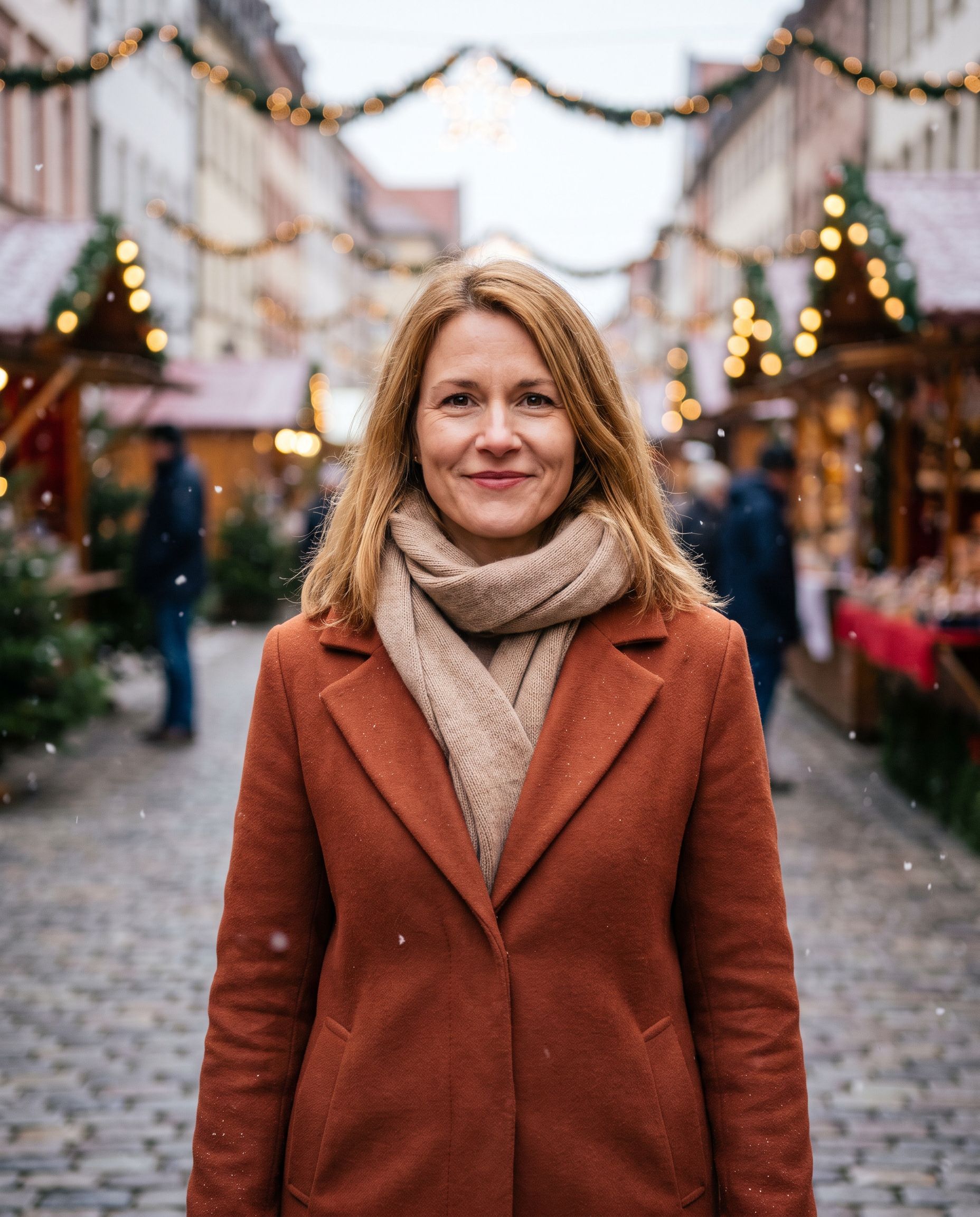
Margot Keller
A Strasbourgeoise by choice for fifteen years, Margot looks after the practical pages and the Christmas market file. Every year she walks the markets from opening day, to tell the honest mulled wine from the tourist trap.