Alsatian Food: What to Eat, and What to Skip
Choucroute, tarte flambee, baeckeoffe, munster: what each dish actually is, when locals eat it, and the traps that catch English speakers in Strasbourg.
Alsatian food is the most German-looking cooking in France, and almost everything visitors assume about it is slightly wrong. The cabbage is not German sauerkraut. The flat tart is not a pizza. The cheese that smells like a problem is the best thing on the board.
This page goes through the eight dishes you will actually meet on a menu in Strasbourg, one at a time: what each one really contains, when local people eat it, and the specific trap waiting for a British or American visitor.
It also covers the part no guide bothers with: what a winstub is, when kitchens close, and why Sunday evening and Monday are the two worst nights to improvise dinner in this city.
Choucroute garnie, and why it is not sauerkraut
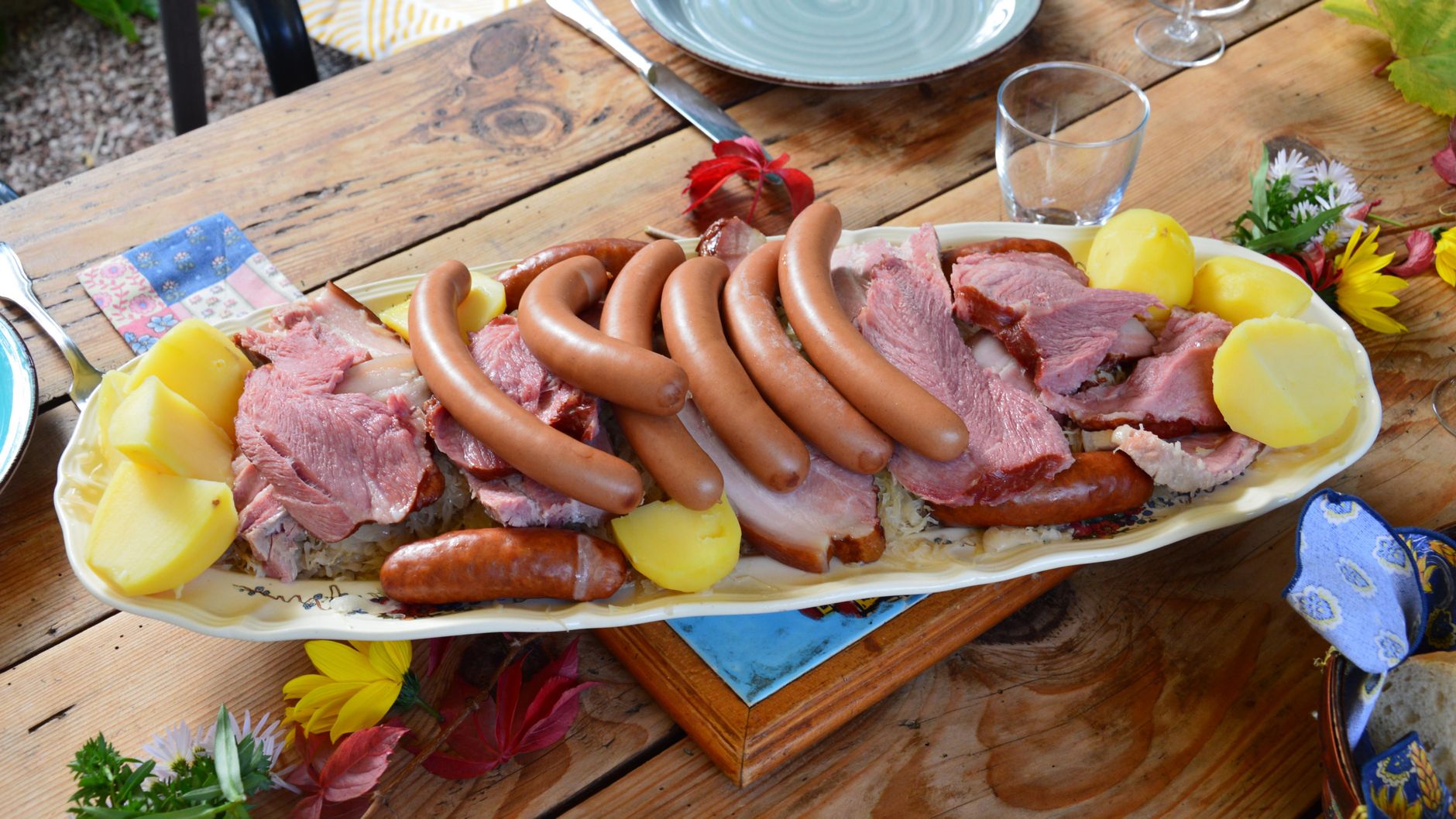
Choucroute garnie is fermented white cabbage cooked slowly in dry white wine, usually riesling or sylvaner, with juniper berries, onions and goose fat or lard. Onto that goes a pile of pork: Strasbourg knacks, smoked sausage, salted belly, smoked shoulder or a knuckle, sometimes a piece of fresh pork.
The German comparison is where people go wrong. Alsatian choucroute is less sharply acidic than sauerkraut, more aromatic from the wine and juniper, and it is not a side dish. It is the entire meal, and a generous one.
Locals eat it from roughly October to March, at lunch or dinner, never lightly. Restaurants serve it all year because visitors ask for it, which is fine, but the version you get in February is the one the kitchen actually cares about.
The trap is the cheap one. A "choucroute" priced well below what the neighbouring winstubs charge has been thinned out: less meat, industrial cabbage boiled in water rather than wine, and no depth. A proper one is heavy enough that two modest appetites can share it.
One more piece of vocabulary. Choucroute de la mer, made with fish rather than pork, is a genuine local variation and often lighter and better than it sounds, but it is a modern dish, not the traditional one. Order it knowingly, not by accident.
Tarte flambee, which is not a pizza
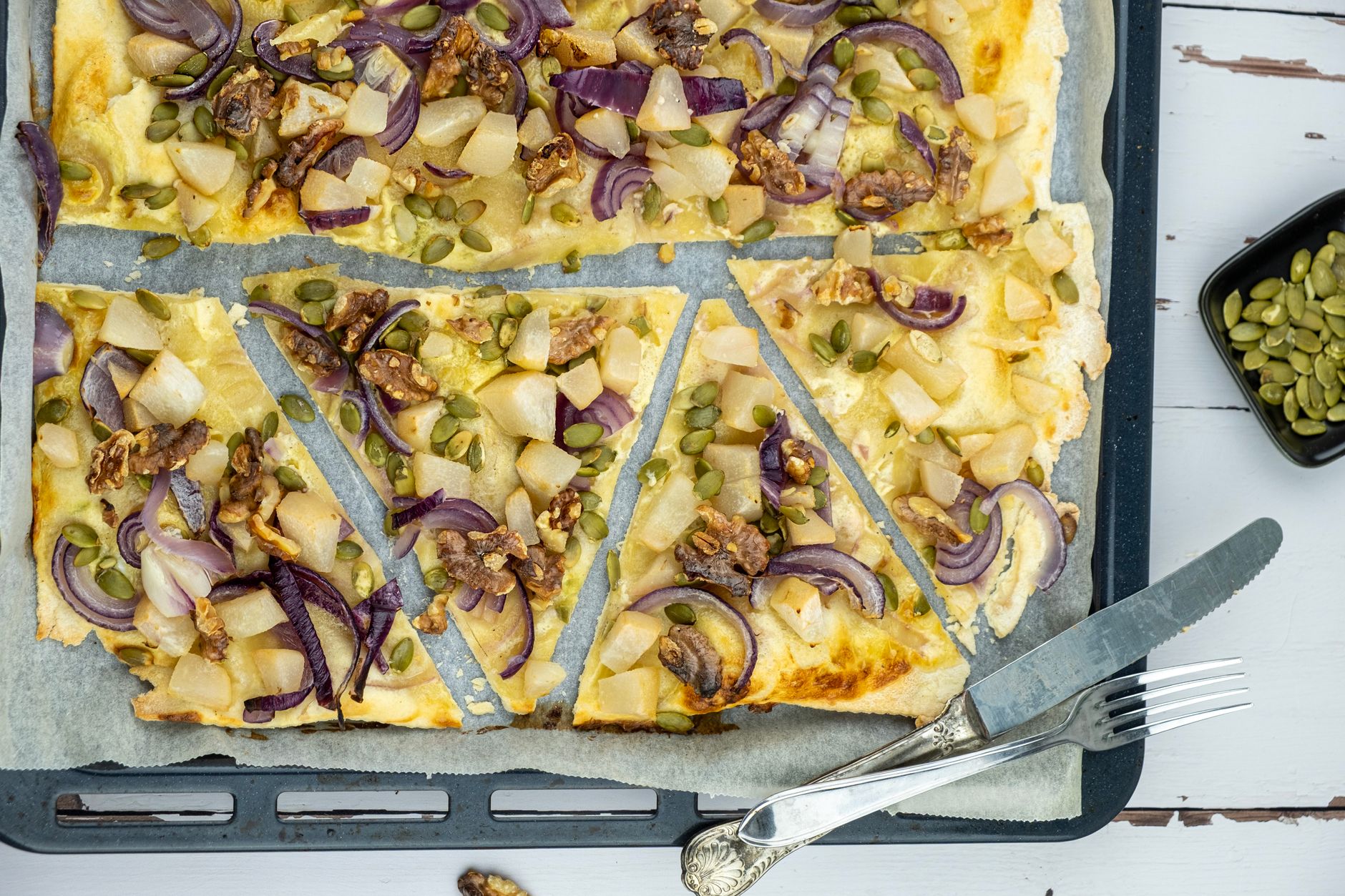
Tarte flambee, or flammekueche in Alsatian, is a very thin bread base spread with thick cream or fromage blanc, scattered with sliced onion and smoked bacon, and blasted in a hot oven for a few minutes. There is no tomato and no mozzarella.
It is an evening dish, shared. Two people will usually work through two or three of them, ordered in sequence so each arrives hot. Some places run all-you-can-eat tarte flambee nights, which is the cheapest good meal in the region.
The trap is the word gratinee. It means grated cheese has been added on top of the cream and bacon, so it is emphatically not the vegetarian option. Forestiere adds mushrooms. Munster adds the cheese below.
The other trap is the base. In the heavily touristed streets you will find frozen bases finished in an electric oven: thicker, softer, and a completely different thing from one that comes out of a wood-fired oven with blistered edges. Look for the oven before you look at the menu.
Baeckeoffe, the Sunday pot
Baeckeoffe is three meats, usually beef, pork and lamb, marinated overnight in white wine and then baked slowly in a sealed glazed earthenware pot with sliced potatoes, onions, leeks, garlic and herbs. The sauce thickens on potato starch alone: no cream, no flour.
It is a Sunday lunch dish, or a dish for a day that matters, and it belongs to the cold half of the year. Because it takes hours, plenty of restaurants serve it only on set days or to order, so check rather than assume.
The trap is volume. It arrives as a single, uncompromising pot and it is not designed to follow a starter and precede a dessert. It is also the least adaptable dish on the list: pork is structural to it, and a version without it is a different recipe.
Spatzle, munster and the side dishes that ambush you
Spatzle are small irregular egg noodles, made from flour, egg, liquid and salt, dropped into boiling water and often finished in butter. In Alsace they are a garnish, not a main course, and they turn up beside anything with a sauce. English menus translate them as pasta, which sets the wrong expectation: they are richer, softer and heavier.
Munster is the region's great cow's milk cheese, soft, washed-rind, matured in the Vosges valleys. The smell is genuinely aggressive and the taste is much gentler than the smell promises. It is served at the end of a meal with caraway seeds and bread, or as a light main with potatoes and salad.
Two warnings on munster. Menus translate it as "strong cheese", which tells you nothing: this is not a mature cheddar, it is a washed-rind cheese with a completely different register. And the pasteurised industrial version is milder and much less interesting than a farmhouse one, without the menu ever saying which you are getting.
Bretzel, kougelhopf and the onion tart
The bretzel is white bread dough, knotted, poached and baked, finished with coarse salt. It is a snack from a bakery or a market stall, not a restaurant dish, and it is bread: eat one before dinner and you will not want dinner. In the busiest tourist streets the frozen reheated version is common.
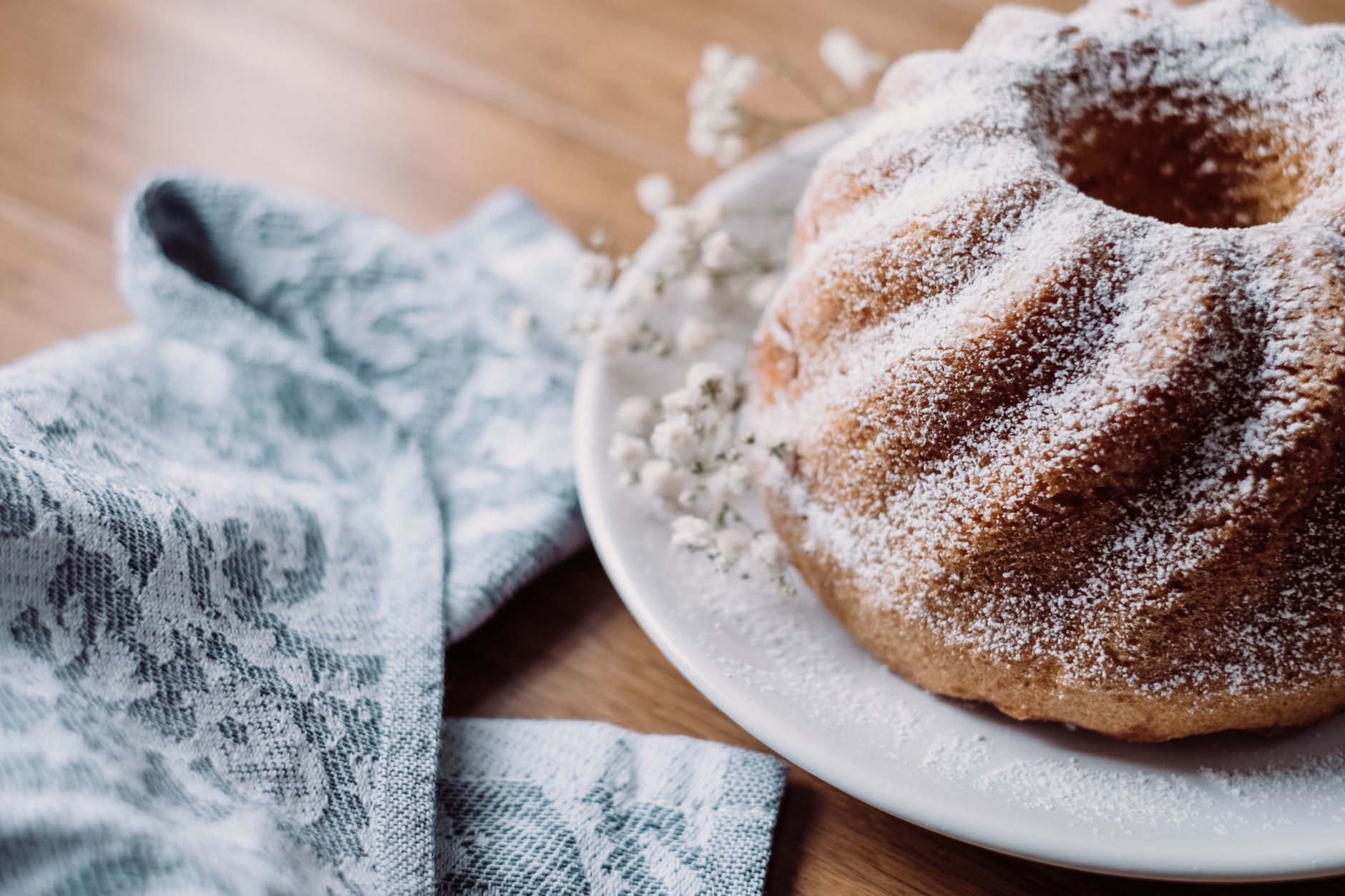
Kougelhopf is a tall crowned brioche baked in a glazed earthenware mould, enriched with butter and eggs, studded with raisins and often almonds, sometimes with a little kirsch. It is a breakfast and afternoon cake rather than a restaurant dessert, and a savoury version with bacon and walnuts exists but is much rarer.
Do not read it as a bundt cake. The dough is a slow-fermented brioche and it is less sweet than the shape suggests. The souvenir kougelhopfs sold in gift shops are frequently industrial and dry.
The onion tart, zewelwai in Alsatian, is a pastry case filled with onions cooked down for a long time, bound with egg and cream. It is a starter or a light lunch, most at home in autumn. Menus call it onion pie, which undersells the sheer proportion of onion, and many versions contain bacon without saying so in the English translation.
What a winstub is, and the menu nobody translates
Beyond the famous eight, a real winstub menu carries a second layer that most visitors walk past. Presskopf is pork brawn set in seasoned jelly, sliced and served with salad and gherkins: a starter for people who already know what they like.
Fleischschnacka are noodle-dough rolls stuffed with leftover boiled beef, sliced into spirals and cooked in broth. Bibeleskaes is fresh curd cheese whipped with garlic, chives and parsley, eaten with sauteed potatoes, and it looks vegetarian until the charcuterie arrives beside it.
Coq au riesling is chicken braised in dry white wine with cream and mushrooms, and it usually has bacon in the sauce. Matelote is a river fish stew, sandre and other freshwater fish in white wine, and it too tends to carry bacon. The knack de Strasbourg, the fine smoked pork sausage the city is named for, turns up everywhere.
Two seasonal items are worth knowing. Mannele, small brioche men, appear around Saint Nicholas on 6 December and vanish afterwards. Bredele, the tin of small Advent biscuits, is the most Alsatian thing you can take home, and price per kilo is the only reliable guide to whether it was made by a baker or a factory.
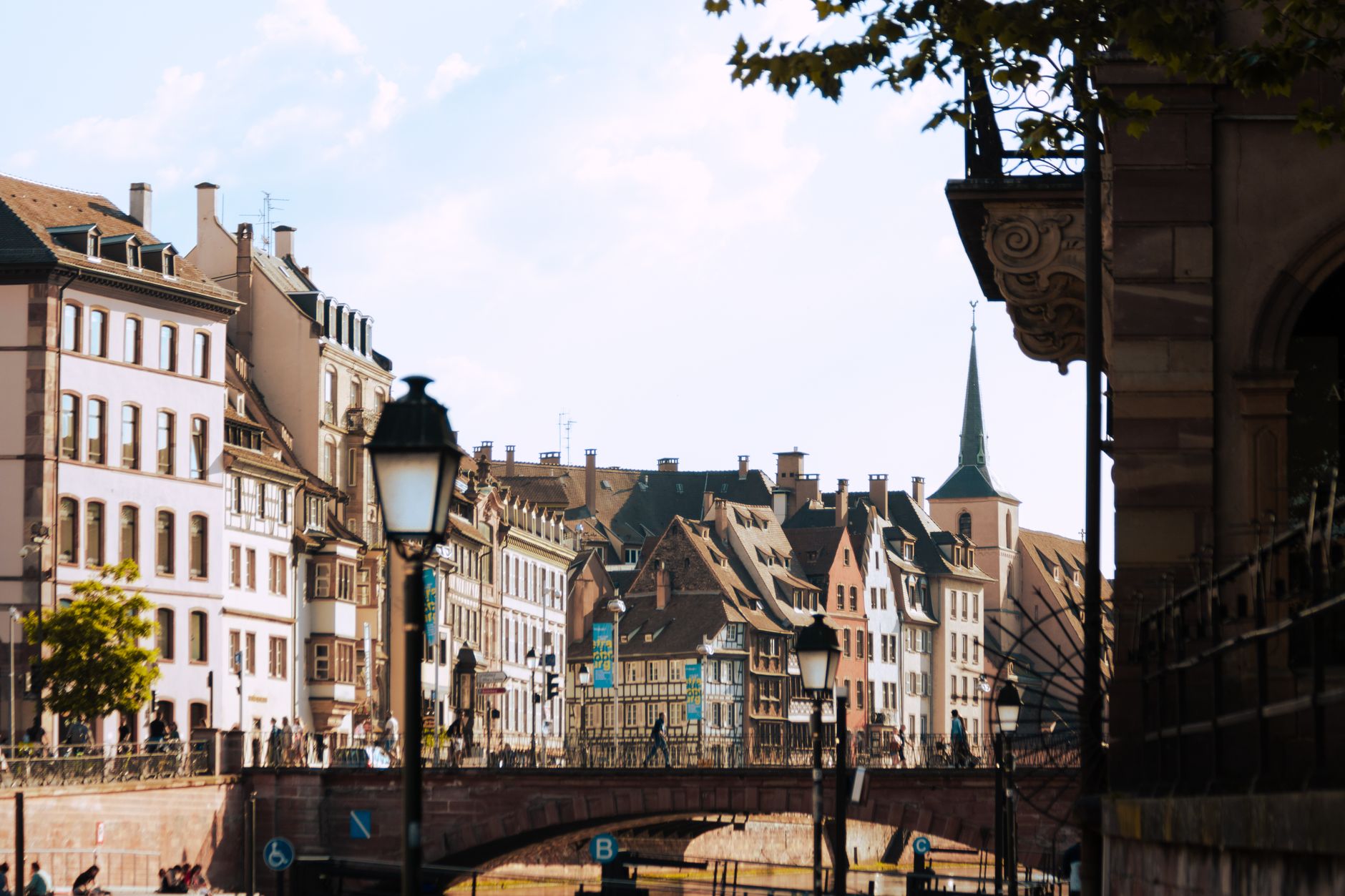
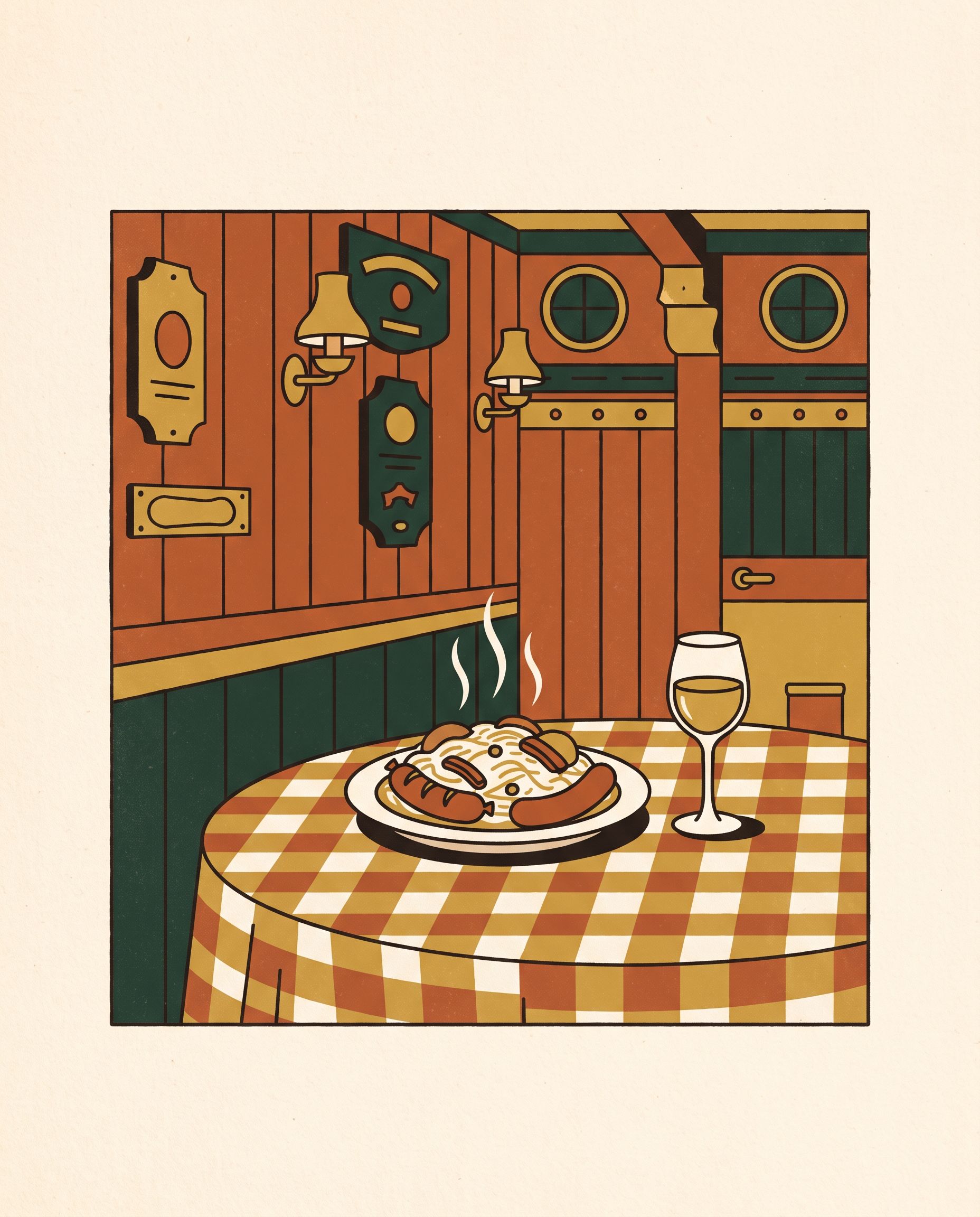
A winstub began life as a wine room: a place that sold Alsatian wine and served regional food alongside it, in a small panelled room with checked tablecloths. The wine list is the point, the menu is short, and the cooking is local by definition.
That is what separates it from a brasserie, which is built around beer, keeps a long menu of French standards and serves continuously, and from a restaurant, which can be anything. If a place that calls itself a winstub offers forty dishes in six languages with photographs, it is not one.
The five signs of a tourist trap in this city are consistent, and they cost nothing to check: a photographed menu in six languages, someone in Alsatian costume outside the door, an enormous card, a suspiciously cheap choucroute, and no French spoken at any table at half past twelve on a Tuesday.
When Alsace eats, and when the kitchen shuts
This is the practical part, and it ruins more evenings than bad cooking does. Winstubs work in two services. Lunch runs roughly from a quarter to twelve until early afternoon, dinner from around half past six until late evening, and the kitchen genuinely stops between the two.
Many traditional houses close on Sunday evening, some close all day Sunday, and Monday is the other common closing day. Arriving in the centre at nine on a Sunday evening without a booking is how visitors end up in the worst restaurant on the square.
Places that advertise continuous service from late morning to late evening exist, and they are overwhelmingly the ones aimed at passing visitors. That is not automatically bad, but it is a signal.
Book. The good winstubs near the cathedral fill up days ahead in normal weeks and weeks ahead in December, and several suspend bookings entirely during the Christmas market and seat people in the order they arrive, which means turning up before seven.
Vegetarian, halal and kosher: the honest picture
Alsatian cooking is pork cooking. That is not a criticism, it is the fact you need before you plan a week of meals here, and pretending otherwise leaves people hungry.
Vegetarians will find salads, potato dishes, cheese plates, omelettes and occasionally a mushroom tarte flambee in modern places, but a traditional winstub is not built for them. Soups are frequently made on meat stock. Spatzle dishes usually arrive with bacon. A vegetarian choucroute exists in a handful of contemporary restaurants and nowhere else.
For visitors avoiding pork, fish is the reliable route, with one caveat: matelote and several fish preparations include bacon in the sauce, so ask explicitly rather than assuming. Chicken dishes have the same problem. Strasbourg has a large and good non-Alsatian restaurant scene, and using it for two nights out of five is the sensible plan rather than fighting the local menu.
Where the food fits into the rest of the trip
If you would rather be shown than read, a guided food walk with tastings covers a good half of this page in one morning, and gets you through doors you would otherwise walk past. And once you know what you want to eat, sleep within walking distance of it: our guide to where to stay in Strasbourg sorts the quarters by what the streets are like after dinner.
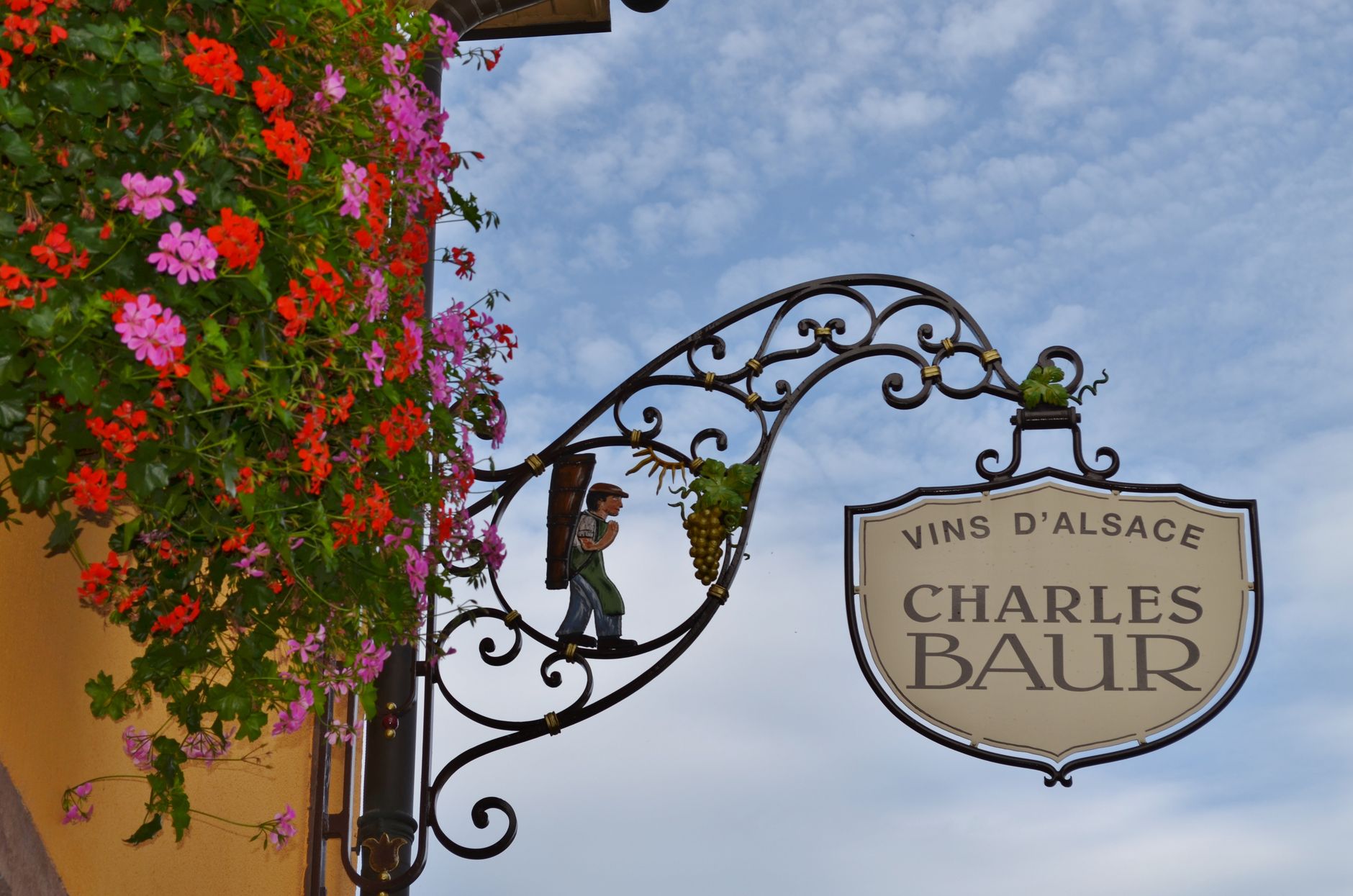
Almost every dish on this page is built around dry white wine, which is why the food and the vineyard are the same subject. If you want to understand why riesling turns up in the cabbage and in the chicken, our guide to the Alsace Wine Route covers the seven grapes and how to reach the vineyard without a car.
If you would rather eat your way through the villages than the city, the most beautiful Alsace villages guide ranks them by whether you can actually get there and back on public transport, which matters more than the photographs suggest.
And for a glass of Alsatian wine without leaving Strasbourg, the drink section collects the wine bars and cellars in the city centre.
Frequently asked questions
What is the one dish to try in Alsace?
Is Alsatian choucroute the same as German sauerkraut?
Is tarte flambee vegetarian?
When do restaurants serve food in Strasbourg?
Do I need to book a winstub in Strasbourg?
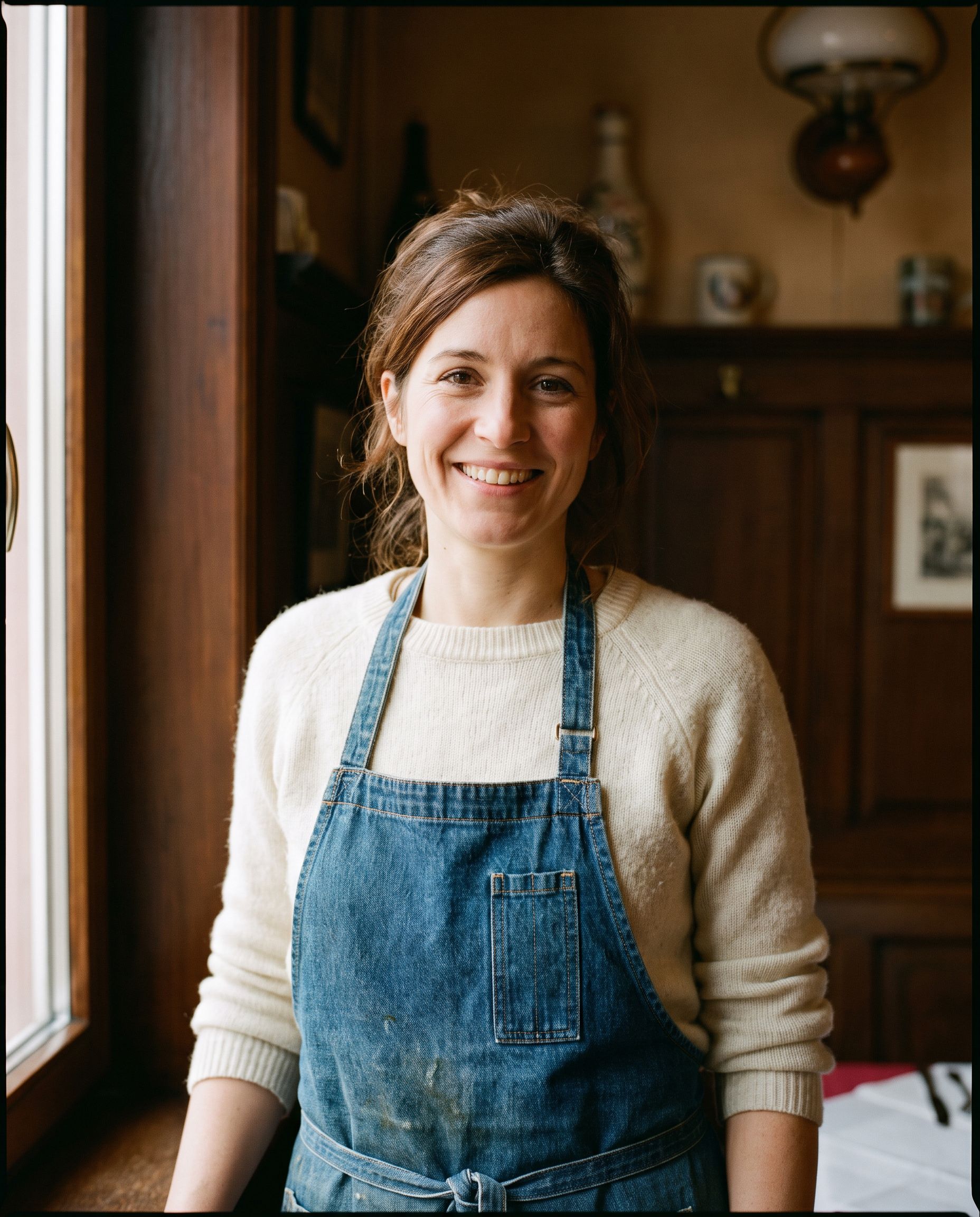
Camille Roth
Born in Schiltigheim, Camille spent ten years working in Strasbourg kitchens before swapping the apron for a notebook. She writes about winstubs, the city's newer tables and Alsatian produce. Her rule: never recommend an address she would not send her own parents to.