Mulled Wine and Bredele: What You Will Pay
Mulled wine runs €3 to €7 depending on the chalet, a tarte flambée passes €10, and bredele biscuits sell for €20 to €55 a kilo depending on who baked them.
It is the question everyone asks on arrival, and the one no official page answers: what does a glass of mulled wine cost, or a tarte flambée, or a bag of bredele. The city sets the pitch fees for stallholders but does not regulate selling prices, which are free and vary from chalet to chalet.
Here are the prices actually recorded by the local press over recent editions, each with its year. Plus how the cup deposit works, the real Alsatian speciality that half the visitors miss, and the square where the same food costs half as much.
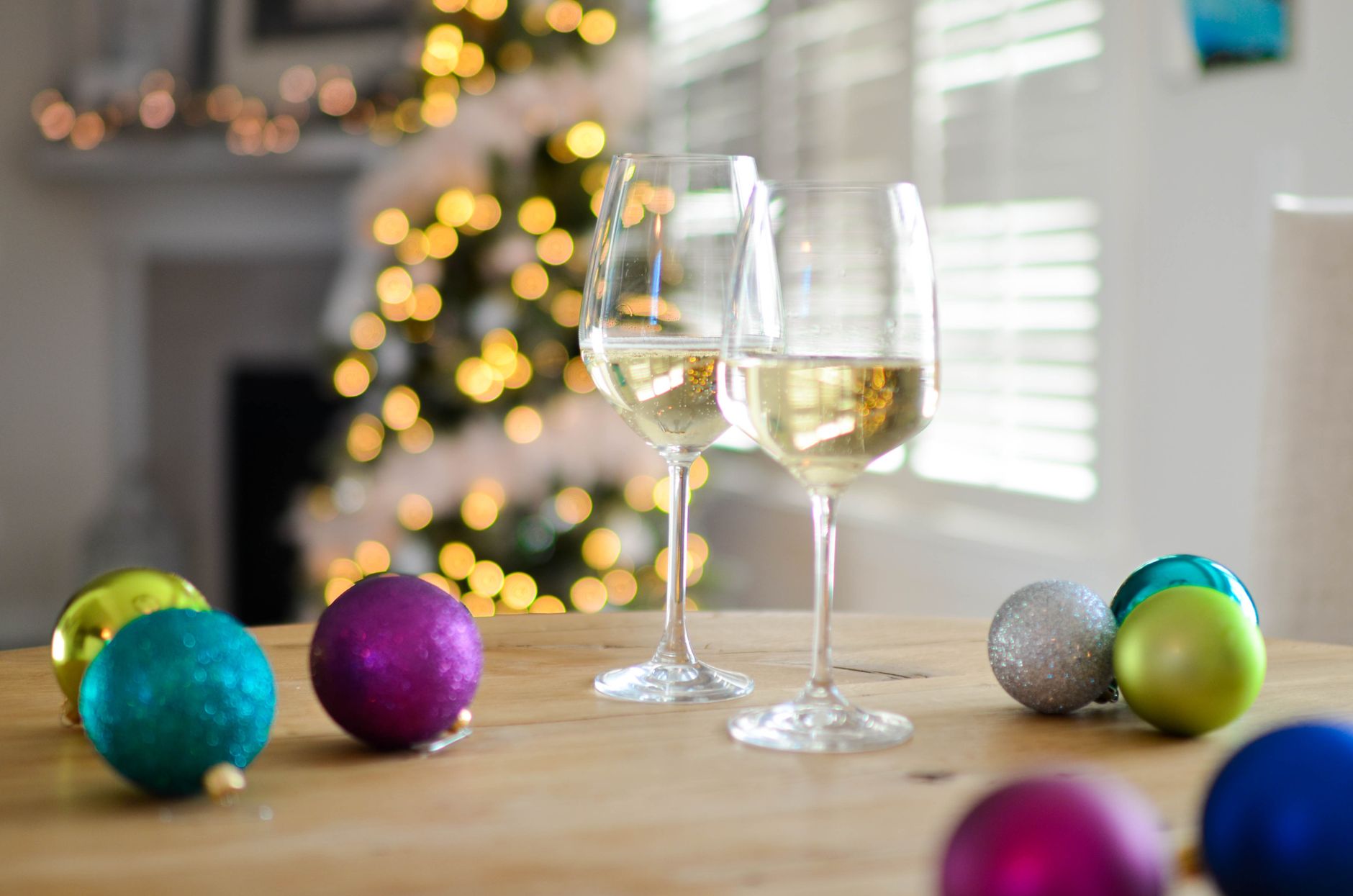
Mulled wine: €3 to €7, plus the deposit
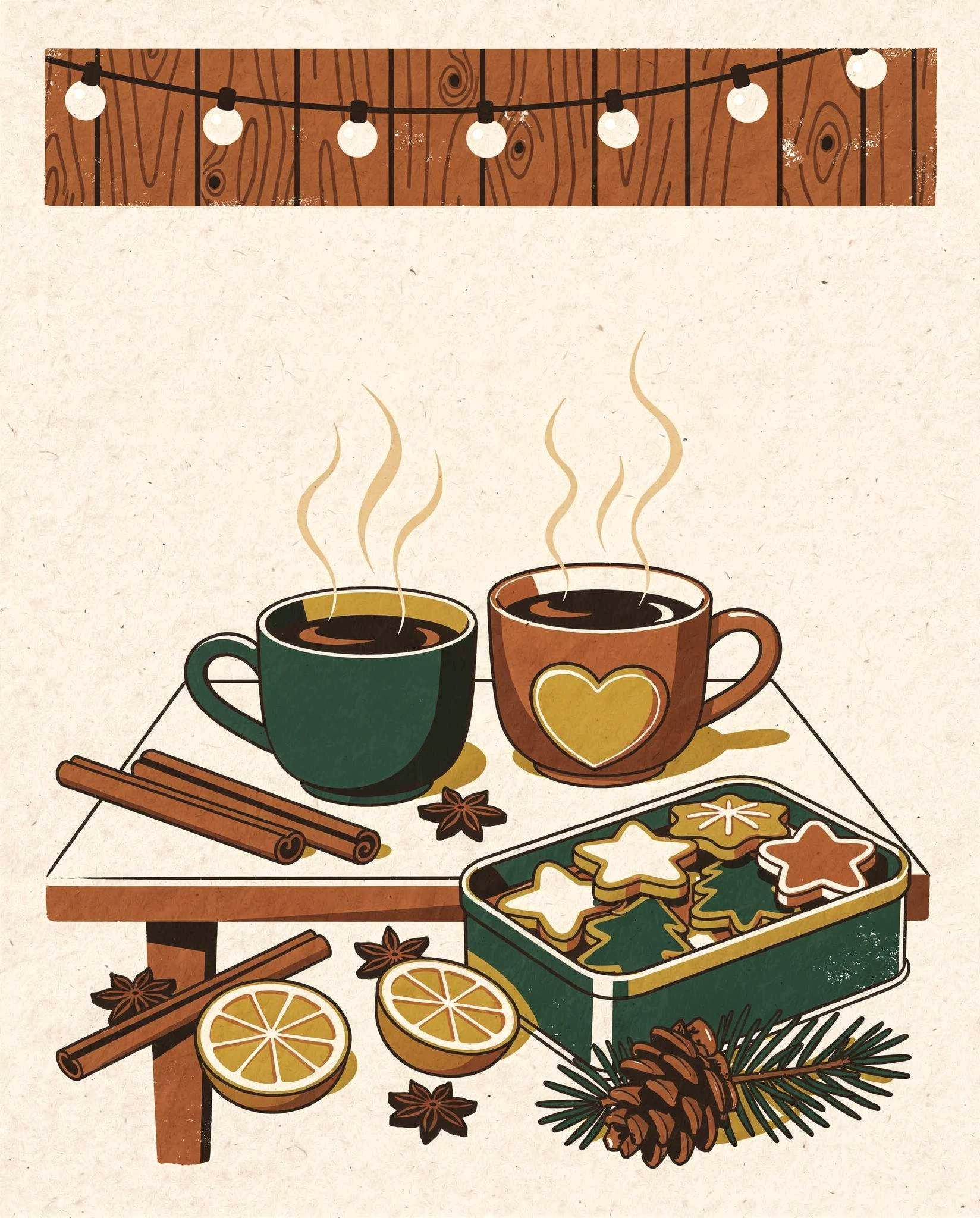
For the 2025 edition, the newspaper L'Alsace recorded glasses of mulled wine between €3 and €7 depending on the chalet, with a clear majority around €5. The range has widened at the top: premium versions, single estate whites, organic recipes and fruit blends run to €6 or €7.
The trend over ten years is clear. DNA recorded €3 to €5 a glass in 2015. BFM reported the move from €4 to €5 for a 30cl glass between 2022 and 2023. France Bleu found a very consistent grid in 2023: €4 for 25cl and €5 for 33cl, identical from one square to the next.
On top of that comes a €1 deposit on the cup, which is not the price of the drink. Your first glass therefore costs €6, and every one after that €5.
The deposit, explained
Strasbourg has used reusable deposit cups since a trial in 2012. The deposit is €1, the same on every site, and the cup carries that year's design.
You can return it at any chalet that sells drinks, not only the one where you bought it. You can also keep it as a souvenir, or drop it into one of the dedicated collection bins, in which case the euro goes to local charities. The city reports €13,000 collected across the 2023 and 2024 editions, and 6,560 cups handed in during 2025.
On the OFF market and at the Village du Partage, bio-sourced cups are being trialled, which is why you will see slightly different models there. The deposit is the same.
White mulled wine, the real local speciality
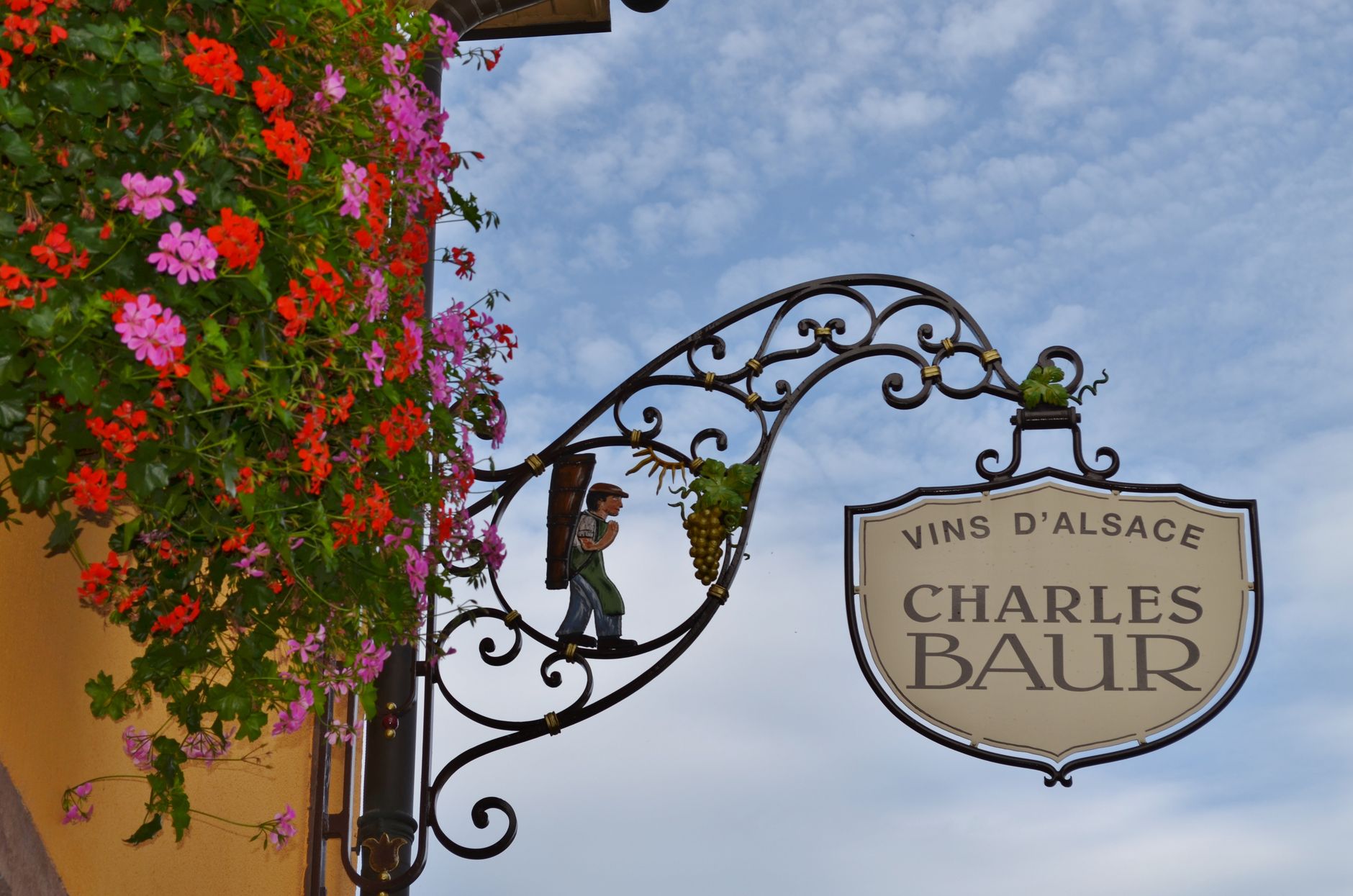
This is the point most visitors never learn: in Alsace, mulled wine is made with white wine. The regional vineyard is 95% white, and the traditional recipe uses a dry riesling or pinot blanc, sometimes sylvaner, with orange, lemon, cinnamon, star anise, cloves and a little fir honey.
The result is less sweet and easier to drink than the red version. With no tannins to mask, far less sugar and spice go in. Red mulled wine is what the rest of France and most of Europe serve. It is not the Alsatian version.
Domaine Durrmann, whose white mulled wine is poured at Place Grimmeissen, comes from Andlau on the wine route. If that gives you ideas, Le Colombier at Obernai, half an hour from Strasbourg, puts you within reach of the cellars themselves rather than a single glass.
Ask for vin chaud blanc. Three chalets identified by DNA pour single estate white, though pitches move from one season to the next, so treat this as a list to check rather than a map.
- La Tribu des Gourmets du Vin d'Alsace, on the terrace of the Palais Rohan, pouring wines from several estates of the Couronne d'Or. The benchmark.
- Domaine Durrmann, an organic grower from Andlau on the wine route, at Place Grimmeissen and the OFF market, with a white version made with mirabelle plum.
- La Bonumeur, Place Kléber, where you can choose between white and red.
Without alcohol, the OFF market serves hot spiced white grape juice at €3 and a gin version at €8. Hot apple juice runs around €3 on the same stalls as the mulled wine.
Eating at the stalls: the recorded prices
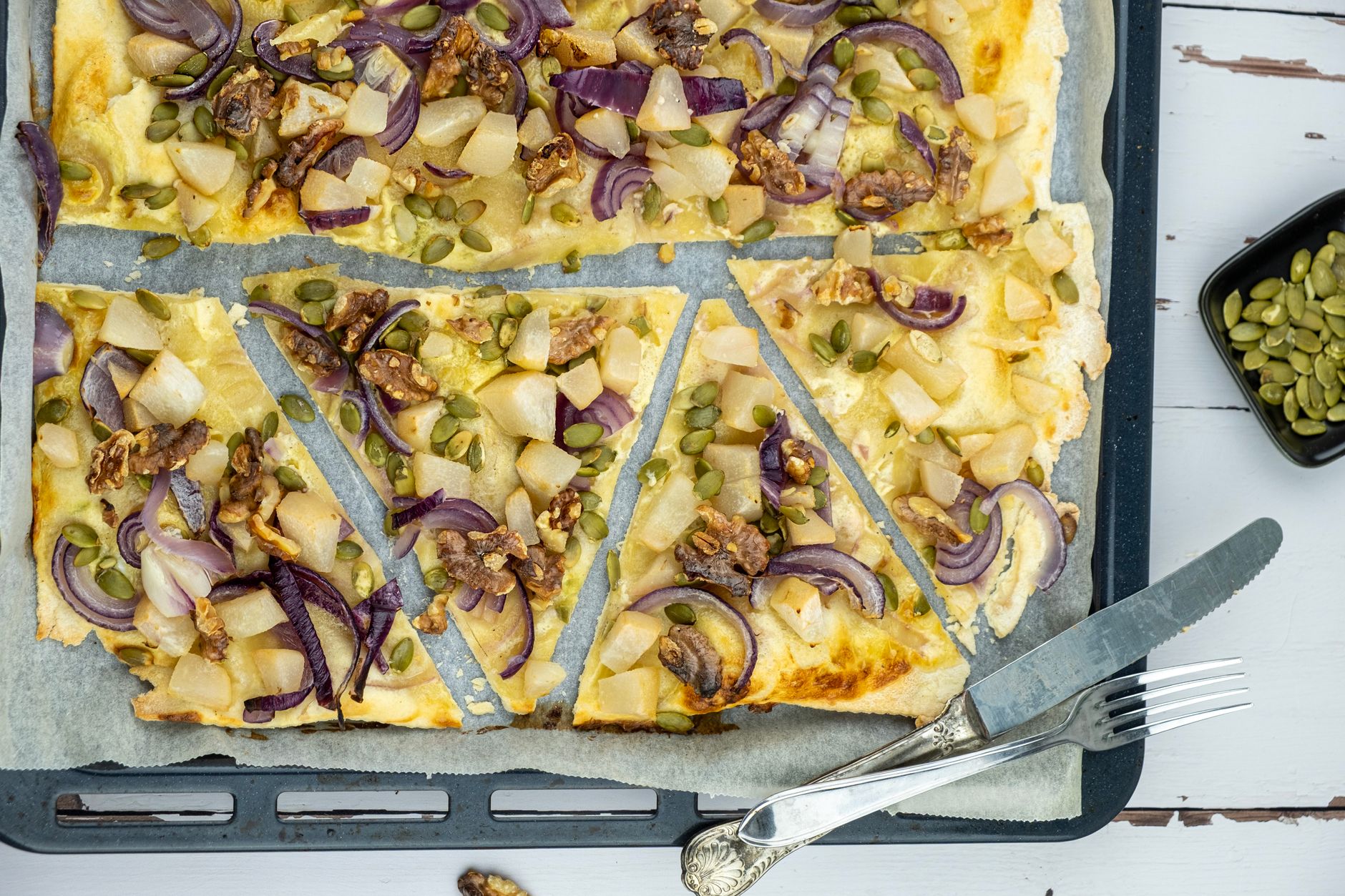
A word of vocabulary before the table. A tarte flambée, or flammekueche in Alsatian, is a paper-thin bread base baked very hot with crème fraîche, onion and bacon. Spaetzle are soft egg noodles, choucroute is the sauerkraut and pork dish, a knack is the local frankfurter, and munster is the strong washed-rind cheese from the Vosges valleys.
| Item | Recorded price | Year |
|---|---|---|
| Mulled wine, standard glass | €3 to €7, mostly €5, plus €1 deposit | 2025 |
| Tarte flambée, plain | €10 to €11, up to €18 with munster or in a gourmet version | 2025 |
| White sausage | €9 most often | 2025 |
| Sausages and knacks | €4 to €12 depending on size and side | 2025 |
| Filled half baguette | €7 plain, €9 to €11 grilled with cheese | 2024 and 2025 |
| Spaetzle, choucroute, munstiflette | €9 to €12 | 2024 |
| Savoury crêpe | €6 to €9 | 2025 |
| Sweet crêpe | €5 to €7, often with industrial fillings | 2025 |
| Waffle | €3 to €5 | 2024 |
These are press surveys of a handful of stalls, not an official price list, because none exists. They give you the order of magnitude, give or take two euros depending on the chalet and the square.
To put a number on it: a couple having lunch on the tourist chalets, one tarte flambée, one white sausage and two mulled wines, will pay around €30. The same break at Square Louise-Weiss comes to less than half.
The bargains, on the market itself
It is not a question of leaving the market, only of changing square. Square Louise-Weiss hosts "the last small producers of Alsace holding out", and prices there are those of a producers' market rather than a tourist stall.
In 2025 DNA found the Ellochampi chalet there selling a potato and mushroom galette at €2 and a cep soup at €3 for 25cl, handmade with mushrooms grown in Alsace. Compare that with €9 for a white sausage three squares away.
The other good address is the Quai des Délices, on the terrace of the Palais Rohan and Place du Marché-aux-Poissons. This is the officially gastronomic section of the market, where the Bas-Rhin bakers' federation sells its bredele. In other words, guaranteed craft baking, without having to guess.
The full detail of the quieter squares is in our guide to the smaller markets.
Bredele: what they are, what they cost, where to buy
Tins of bredele, once bought on Rue de l'Outre or Place de la Cathédrale, weigh heavily in the bags. The Hilton Strasbourg, out in the European quarter, is a few tram stops from the centre, which spares you the walk home under the shopping.
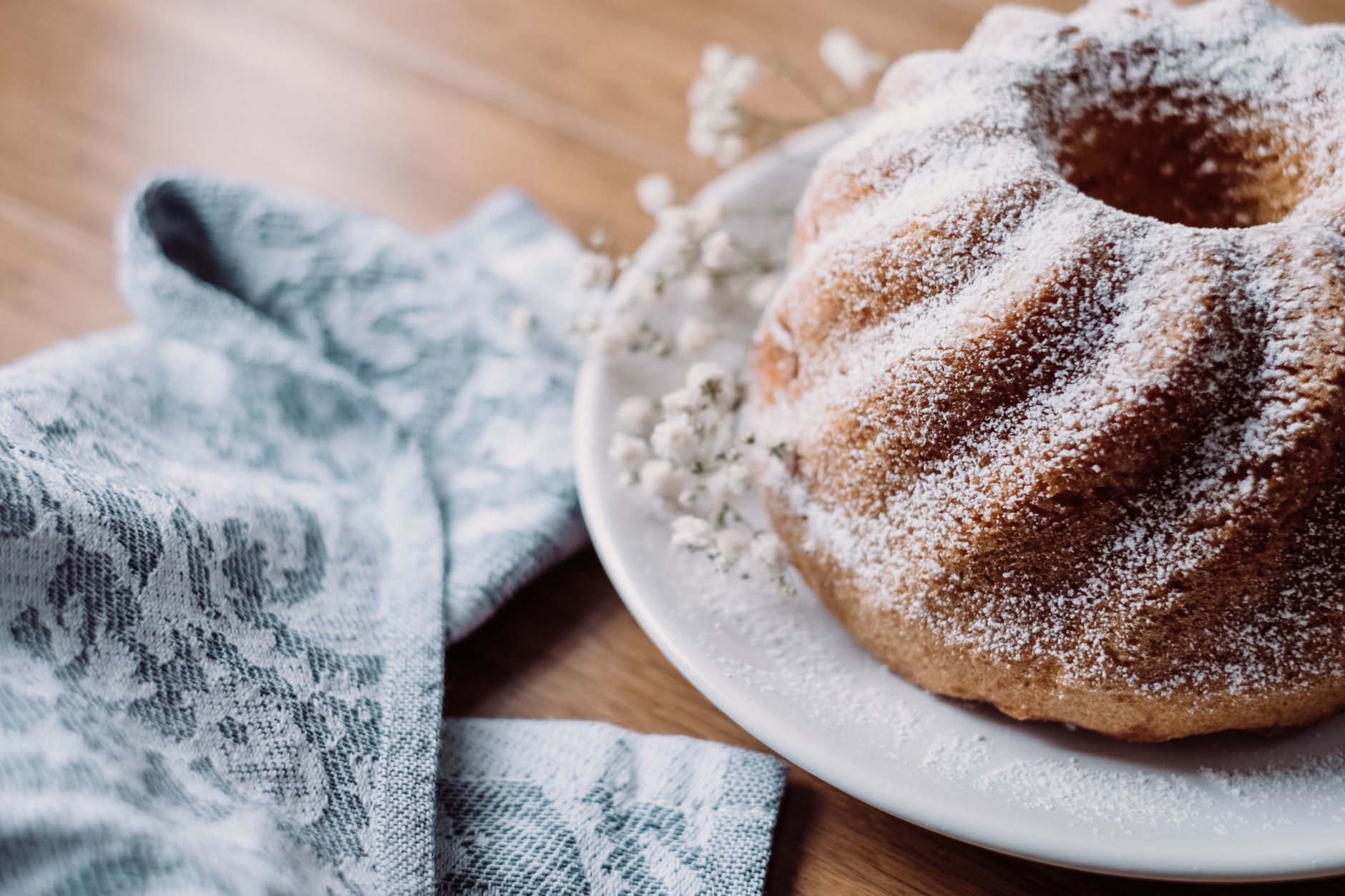
Bredele, or Winachtsbredele, are the small spiced biscuits that Alsatian families bake by the tin from late November onwards and keep in metal boxes until Christmas. They are the most genuinely Alsatian thing you can carry home, provided you know what you are buying.
The six kinds to know
- Butterbredele: the classic, pure butter, flour, sugar and eggs, sometimes vanilla or lemon. Short, crumbly, melting.
- Schwowebredele: the Swabian biscuit made with ground almonds, lemon zest and cinnamon, cut into stars and fir trees.
- Anisbredele: the oldest, recorded as Anisbrod as early as the sixteenth century. Crisp, flavoured with green aniseed.
- Spritzbredele: ridged almond and vanilla fingers, piped from a nozzle, which is where the name comes from.
- Leckerli: soft squares somewhere between gingerbread and fruit paste, with candied fruit, almonds and spices, under a sugar glaze.
- Zimtsterne: cinnamon stars made with ground almonds and egg white, iced in white.
The price per kilo, from one to three
This is where a good purchase separates from a bad one.
- €20 to €27 a kilo: the industrial and semi-industrial bredele of big brands and supermarkets.
- €30 to €40 a kilo: craft assortments sold on the Christmas market chalets.
- €39 to €46 a kilo: the average for Bas-Rhin bakers and pastry chefs, recorded by France 3 in 2024.
- €50 to €63 a kilo: the big Strasbourg houses and gift tin assortments.
France 3 recorded €52 a kilo at Pâtisserie Christian and up to €55 at some Strasbourg bakers, against €20 to €27 for the industrial ranges. The gap is butter, almonds and labour time, not a fanciful margin.
Where to buy them in Strasbourg
Three houses in the centre, all a few minutes from the markets. Google ratings checked in August 2026.
- Pâtisserie Christian, 12 rue de l'Outre (4.2 from 1,610 reviews) and 10 rue Mercière, a minute from the cathedral. Its bredele assortments are an institution.
- Maison Alsacienne de Biscuiterie, 16 rue du Dôme (4.5 from 314 reviews) and 9 rue des Serruriers (4.6 from 304 reviews). The widest range of traditional kinds.
- Fortwenger, 31 place de la Cathédrale (4.5 from 152 reviews). The gingerbread house, at the most affordable end.
Bredele are only part of what is worth carrying home. Our guide to what to buy at the market covers the pottery, the glass baubles and the honey.
Spotting the handmade
At a chalet, one question settles everything: where are these made? A seller who names the workshop or the baker has told you what you need.
The other clues are visual. A handmade bredele has a slightly irregular shape, uneven icing and a short ingredient list: butter, eggs, flour, sugar, spices. Industrial products come in perfectly calibrated shapes with longer lists, including margarine, vegetable oils or preservatives.
What to know about how authentic the stalls are
Better said plainly, since the local press says it too. A Figaro report in 2025 showed that some of the goods sold on the market, textiles, pottery and decorative objects, come from China, Portugal or eastern Europe, while visitors often believe they are buying local.
Deputy mayor Guillaume Libsig acknowledges this and says the city pushes its stallholders towards European-made products, while noting that restricting the market strictly to local artisans would push the average basket "above a hundred euros". In 2022 a municipal list of banned or tolerated products, covering champagne, raclette, tartiflette and popcorn, caused a stallholder revolt before being reclassified as a working document.
In practice, to eat and drink local: look for the name of an estate or a farm on the front of the chalet, the producer or their family behind the counter, and a stated origin. A stall run by someone who talks to you about their grape variety or their crop is not a reseller.
The short version
- A mulled wine costs around €5 on average, plus a €1 deposit you get back at any chalet selling drinks.
- Ask for the white. It is the Alsatian recipe, less sweet and easier to drink than the red.
- Eating on the tourist chalets costs about €30 for two. Square Louise-Weiss halves the bill.
- Bredele run €30 to €40 a kilo on the market, €39 to €46 from an artisan baker, €20 to €27 industrial. The price tells you what you are buying.
- One question to ask at any chalet: where is this made?
To plan the rest: where to eat during the market, the smaller markets, and our guide to Alsatian food.
Sources: L'Alsace (street food price survey, December 2025); DNA (2015 and 2024 prices, Square Louise-Weiss bargains in 2025, white mulled wine chalets); BFM and France Bleu (prices and deposit, 2022 and 2023); Actu.fr (OFF market drinks, 2025); Strasinfo (crêpes and sausages, 2025); France 3 Grand Est (bredele price per kilo, 2021 and 2024); noel.strasbourg.eu and city press packs (deposit cup, charity cups, Quai des Délices); Le Figaro and BFM (origin of goods, city statements); Outscraper for the addresses and Google ratings of the shops named, checked in August 2026. Chalet prices are unregulated and change every season: these figures are orders of magnitude, not an official list.
Frequently asked questions
How much is a mulled wine at the Strasbourg Christmas market?
Do you get the cup deposit back?
What is Alsatian white mulled wine?
How much do bredele cost per kilo?
Where can you eat cheaply at the Strasbourg Christmas market?
What are the traditional kinds of bredele?
Camille Roth
Born in Schiltigheim, Camille spent ten years working in Strasbourg kitchens before swapping the apron for a notebook. She writes about winstubs, the city's newer tables and Alsatian produce. Her rule: never recommend an address she would not send her own parents to.