Three Days in Strasbourg: Two in Town, One in Alsace
The third day is the one people get wrong. Here is every excursion ranked by how reachable it actually is by train, and the ones we tell you not to attempt.
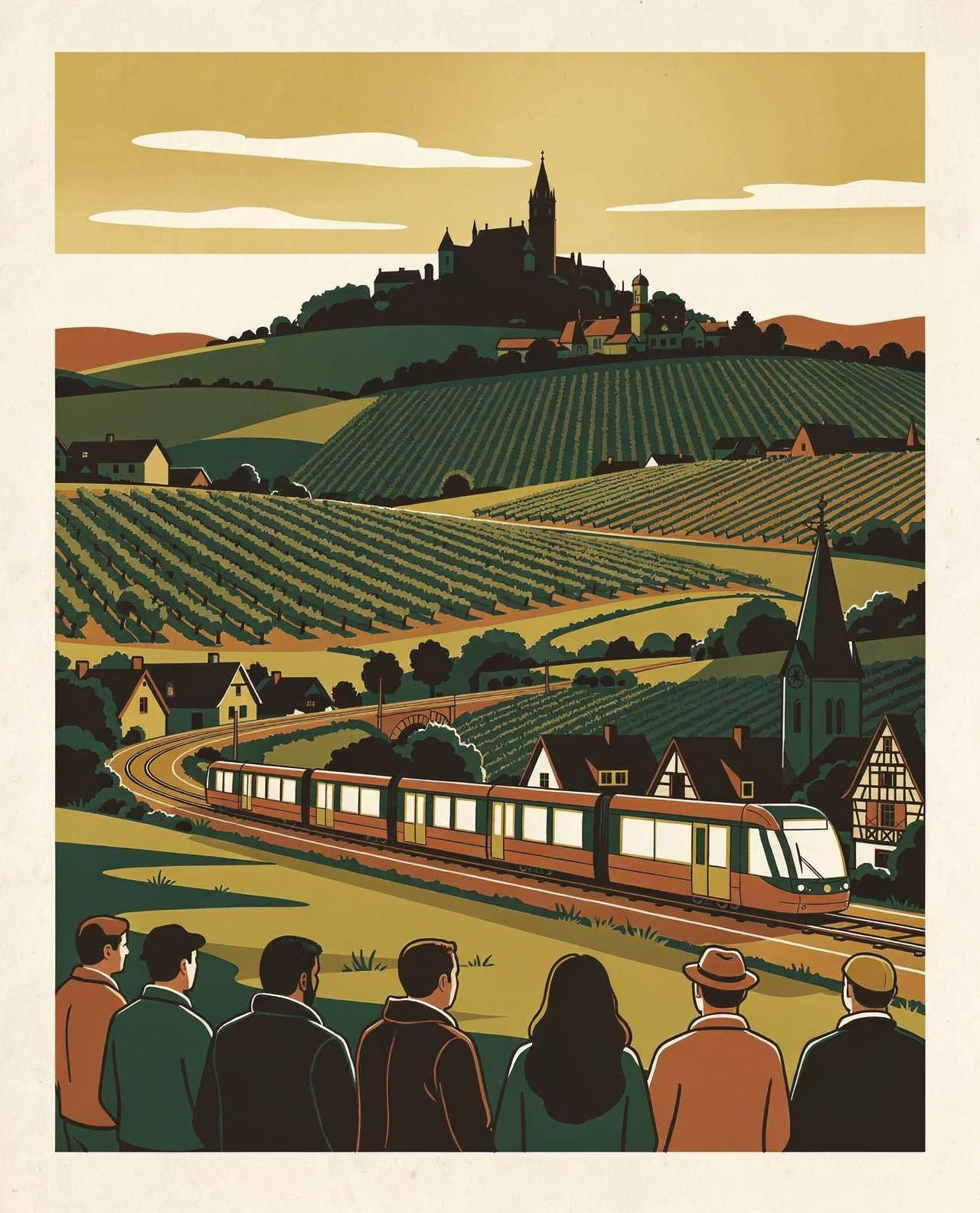
Three days is the right length for Strasbourg. Two days cover the city, and the third opens up Alsace, which begins twenty five minutes away by train.
Except that the third day is precisely the one visitors get wrong. Not for want of enthusiasm, but because half the destinations sold to them as accessible are not really accessible without a car, and nobody tells them what time the last bus leaves.
So here is the programme, with an honest sort. We checked destination by destination what actually works on public transport from Strasbourg station, and we say so plainly when it does not.
Days 1 and 2: the city
Two nights in the city and one day out of it is the shape of this trip, so the base matters more here than on a single night stay.
The edge of the Grande Île is the sweet spot: quiet enough to sleep, five minutes from La Petite France, and close enough to walk home from dinner on both evenings.
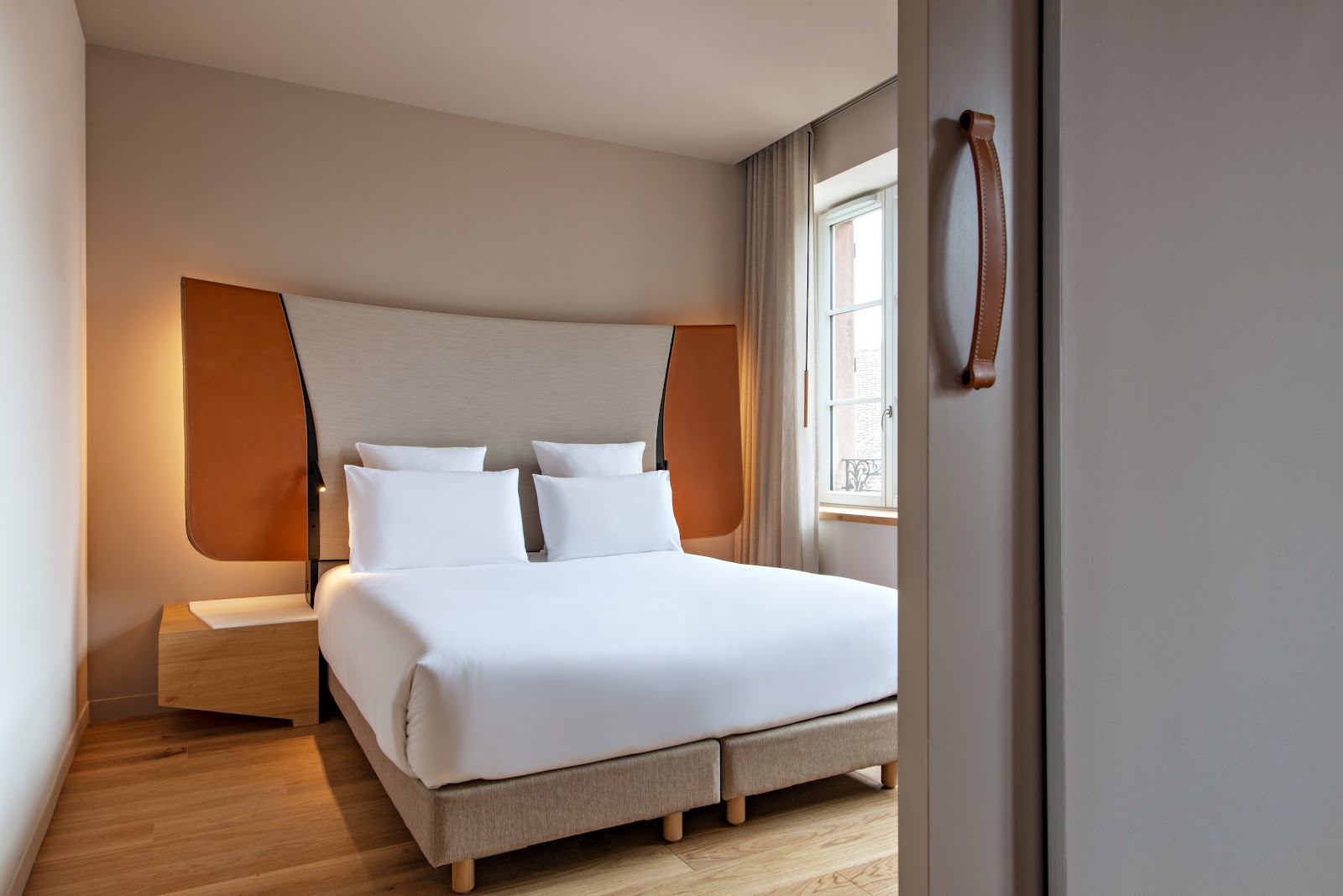
Les Haras★ 4,6 · 1,528 reviews
The first two days are our two day itinerary, which we will not repeat here: the Grande Île and the cathedral on day one, the Neustadt and the living city on day two.
What a third day changes is the pace. With an excursion day in reserve, you can finally:
- Do one museum properly instead of skimming it. Tickets are €9, €5 reduced, and the day pass for every city museum is €20. They close on Tuesdays and are free the first Sunday of every month.
- Walk the Neustadt without a watch, the German imperial quarter UNESCO listed in 2017, which two day visitors cross at a march.
- Go up to the Orangerie park for the storks, and on to the European quarter if the institutions interest you.
- Eat properly twice rather than once, which is not a detail in this city.
Day 3: where to go, and whether it is really doable
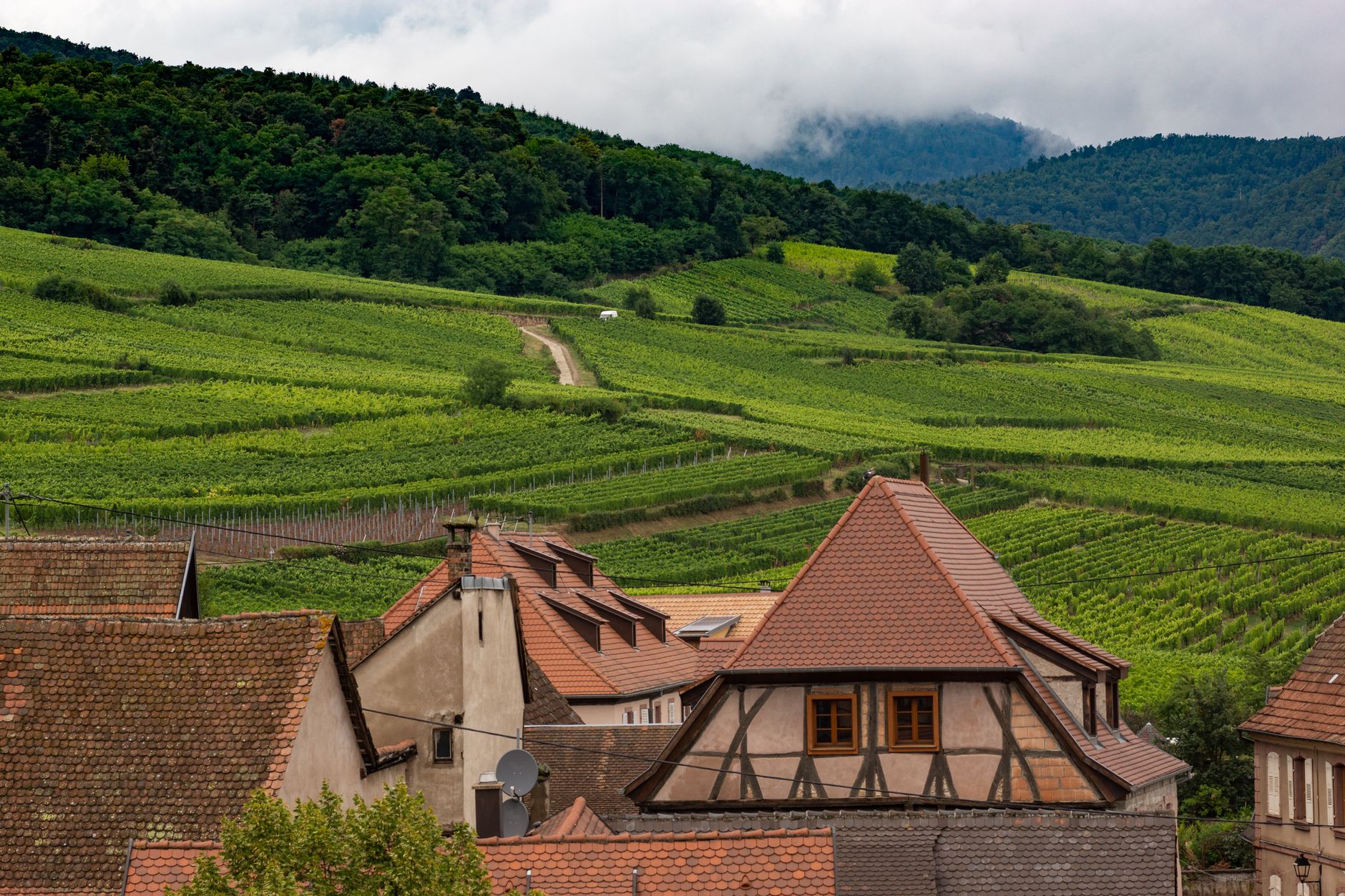
This is the ranking that matters, and it is not by beauty. It is by how easily you actually get there from Strasbourg station without a car, which is the situation most visitors arriving from Paris or London are in.
| Destination | Getting there | Without a car |
|---|---|---|
| Colmar | 26 to 35 minutes by train, every 30 minutes | Very easy |
| Sélestat | 20 minutes at best, very frequent all day | Very easy |
| Obernai | Just under half an hour, trains through the day | Very easy, all year |
| Wine route villages | Train to Colmar, then the seasonal Kut'zig shuttle | In season only |
| Haut-Koenigsbourg | Train to Sélestat, then the L500 shuttle | Only when the shuttle runs |
| Freiburg im Breisgau | Just over an hour, regional trains via the border | Easy |
| Europa-Park | Seasonal coach from Les Halles Sébastopol | Yes, but the return is early |
| Mont Sainte-Odile | Train to Obernai, then a seasonal shuttle or a taxi | Not realistically |
| Deep Black Forest | Freiburg, then regional trains and buses | Not in a day |
Colmar, the safe choice
If you are doing one excursion and you want no risk at all, this is it. 26 to 35 minutes on the train, every 30 minutes through the day, first departures before dawn and returns until late in the evening. No shuttle to check, no last bus to worry about.
On arrival, the Petite Venise quarter, the quays along the Lauch, the Saint-Martin collegiate church and the Unterlinden museum fill a day without any effort. For half a day, the old town alone is plenty.
The real trap is elsewhere. The Unterlinden closes on Tuesdays, and it is the main reason to make the trip. And in December, Colmar is three times denser than Strasbourg on a much smaller footprint, which we set out in the Colmar Christmas market.
What to do once you are there is in things to do in Colmar, and the two towns are compared head to head in Strasbourg or Colmar.
The wine route: it all depends on the season
This is the section where visitors without a car usually give up, and the shuttle arithmetic below explains why. If your dates fall outside the shuttle season, or you would rather not spend the day at bus stops, a guided day along the wine route and its villages is the honest answer, and it removes the return timetable problem completely.
This is what most English speaking visitors actually come for, and it is where the misinformation is thickest. Riquewihr, Ribeauvillé, Eguisheim, Kaysersberg: without a car, the whole thing rests on one seasonal shuttle.
The Kut'zig is an open top loop bus, hop on and hop off, linking Colmar, Ribeauvillé, Riquewihr, Kaysersberg, Turckheim and Eguisheim. It runs 3 April to 11 October 2026, every 1 hour 45.
Its operating days change through the season: Friday to Sunday and public holidays in April, May, June and October, then Tuesday to Sunday and public holidays in July, August and September. The 2026 fare is not clearly published, so ask at the Colmar tourist office before you set off.
With a bus every hour and three quarters, the arithmetic is brutal: two villages in a day, not three. Kaysersberg and Riquewihr, or Eguisheim and Turckheim. Anyone aiming for four spends the day at bus stops.
Out of season, regular buses still run from Colmar to Riquewihr, Ribeauvillé, Eguisheim and Kaysersberg. They work, but the evening timetables are uncertain: plan to be back in Colmar by seven or eight in the evening, then take a train to Strasbourg.
Which villages are worth the effort, and in what order, is in the Alsace wine route and the most beautiful villages in Alsace.
Haut-Koenigsbourg: the shuttle, or nothing
The castle is the one destination on this list where a single shuttle decides everything, and it does not run every day.
If it is not running on your date, the day out to Colmar, Riquewihr, Eguisheim and Haut-Koenigsbourg reaches the same castle by road and adds the villages the trains do not serve.
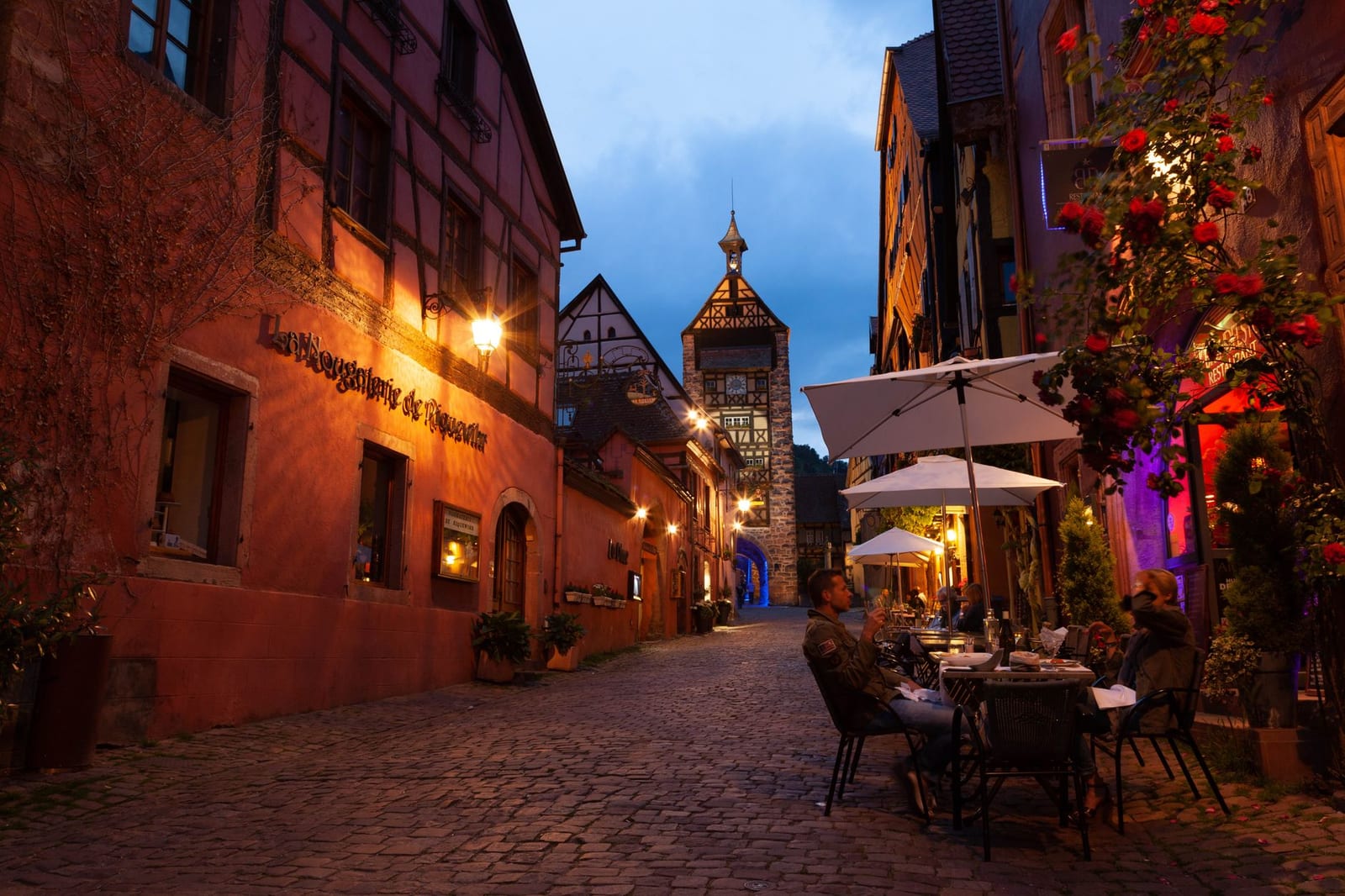
The castle is spectacular and the view over the Alsace plain is worth the trip. But it sits high above the plain, and access without a car hangs on a single thread: the L500 shuttle from Sélestat station.
The shuttle is timed to meet the regional trains from Strasbourg, Colmar, Mulhouse and Basel, which makes the connection comfortable, often ten to twenty minutes. It runs over a large part of the year, mainly at weekends, on public holidays and in high season.
The weak point is the return. The exact times are published in an official document the castle updates each season, and there is no last bus time that holds good all year. In previous seasons the last shuttle left the castle in the middle or late afternoon.
So two rules, no exceptions. Check the shuttle runs on your date. And build the day around the last bus, not around your train.
Allow two to three hours at the castle. Add Sélestat and its humanist library before or after, and the day is full.
Obernai: the underrated answer
Obernai is also the one place on this page where sleeping outside Strasbourg makes sense, because the railway does the work a car usually does.
A night on the wine route turns a rushed half day into a proper evening in the village, with the last train back replaced by a short walk.
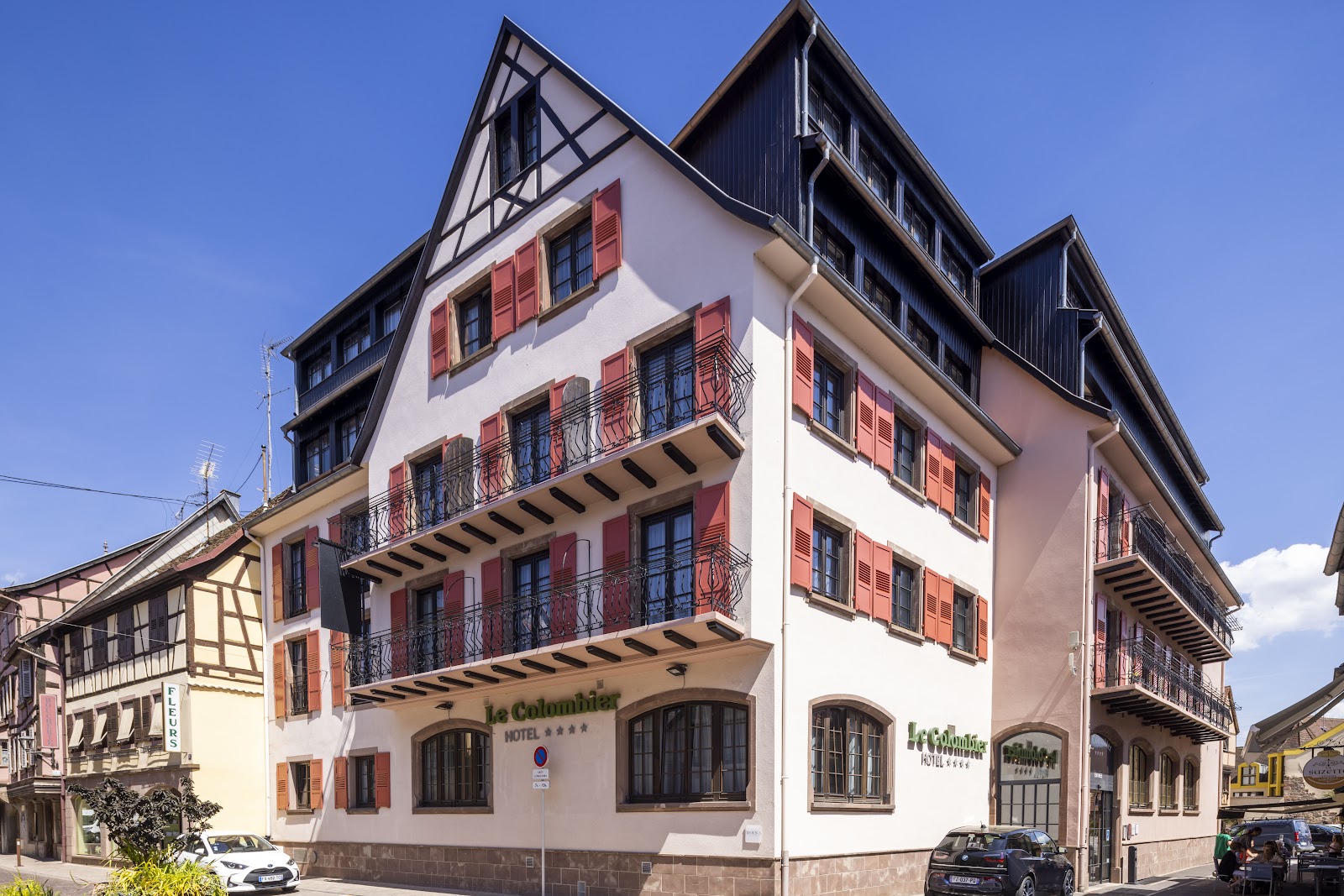
Le Colombier★ 4,5 · 970 reviews
Obernai is the village that works all year without any shuttle at all, and almost nobody suggests it. Just under half an hour from Strasbourg, trains through the day, and a last departure late enough to have dinner there before coming back.
Ramparts, a market square, the Saints-Pierre-et-Paul church, wine growers' lanes and marked vineyard walks around the edges. Ideal for half a day.
If your dates fall outside the Kut'zig season, Obernai is the honest answer to wanting an Alsatian wine village. It is not Riquewihr, and it is also not a wasted day at a bus stop.
Freiburg im Breisgau, the option nobody considers
Nobody thinks of it, and that is a shame. Freiburg is just over an hour away by regional train, and it is a real city, young and lived in, with a red sandstone minster, a daily market on the cathedral square and the Bächle, the little water channels that run down the streets.
Crossing into Germany gives the third day a contrast that Colmar cannot. It is also open on Sundays for eating in a way that Alsace often is not.
Two cautions. It is a border crossing, so carry your passport or ID card. And watch the evening services: the comfortable direct trains are limited, and late connections involve changes. Check your return before you go.
The deep Black Forest, Titisee and Triberg, is another matter entirely. In a day from Strasbourg and without a car, we do not recommend it.
Europa-Park: doable, but read the return line
There is a direct seasonal coach from Les Halles Sébastopol in Strasbourg to the park entrance, running from spring to early November on weekends, public holidays and daily through the summer.
The problem is the single attested direct return, which leaves the park in the early evening. In high season, when the park stays open late, that coach takes you away before the end of the day.
If you want to stay until closing you have to switch to the train via Ringsheim and Offenburg, and check the last connection yourself, because it is not reliably documented anywhere. With children, the early return is usually the sensible call anyway.
Mont Sainte-Odile: the idea that does not survive contact
We would rather say this plainly. Mont Sainte-Odile is a magnificent place, and it is not reasonably reachable without a car in 2026.
You get to Obernai by train without difficulty, but the climb from there depends on a seasonal shuttle whose 2026 dates and times are not published in any verifiable form. That leaves a taxi, or an organised tour.
If you have no car and you want a Vosges panorama, Haut-Koenigsbourg is the rational choice.
The rule that applies to every excursion
It fits in one sentence: build the day backwards from the last return, not forwards from the outward journey.
That is true everywhere, and it becomes vital the moment a bus is involved. A Colmar to Strasbourg train still runs late in the evening. A castle or wine route shuttle stops in the middle of the afternoon.
Three reflexes before you leave:
- Check the date, not just the season. Tourist shuttles do not run every day, even at the height of summer.
- Write down the last bus, not the last train. The bus is the weak link.
- Keep one departure in hand. With a bus every hour and three quarters, missing one is not recoverable.
If you do have a car
Everything changes and the ranking above stops mattering. Mont Sainte-Odile becomes simple, the wine route runs at your own pace, and three villages in a day is realistic.
One constraint remains in Strasbourg itself: do not bring the car into the centre. The park and ride at €4.20 a day, tram and bus included for everyone in the vehicle, is the answer. Our parking page lists the sites.
When to come
For three days with an excursion, the window is April to October, because that is the only period when the tourist shuttles run. Outside it, the third day falls back on Colmar, Obernai, Sélestat or Freiburg, all of which stay excellent and reachable year round.
In December the third day changes character entirely: it becomes the Christmas markets of Alsace, and our Christmas section sorts them by how easy they are to reach.
Preparing the rest
If the trip shortens, our one day itinerary says what to cut. If you are still deciding on the length, how many days in Strasbourg answers it directly, and is Strasbourg worth visiting answers the question behind it.
For the full inventory of the city itself, start with things to do in Strasbourg.
Sources: SNCF Connect, TER Grand Est, Trainline and Omio for journey times and frequencies to Colmar, Obernai, Sélestat and Freiburg; haut-koenigsbourg.fr, official L500 shuttle pages and 2026 announcements; routedesvins.alsace and the Colmar tourist office for the Kut'zig period and frequency; Europa-Park Resort and Fluo Grand Est for the coach; musees.strasbourg.eu, price list checked in August 2026; CTS for park and ride fares. Tourist shuttles are renewed each year and their timetables change: check the exact date of your excursion before you go.
Frequently asked questions
What should you do on the third day in Strasbourg?
Can you visit the Alsace wine route without a car?
How do you get to Haut-Koenigsbourg without a car?
Is Colmar or the wine route the better day trip?
Is Europa-Park doable as a day trip from Strasbourg?

Théo Lindner
Théo grew up between Strasbourg and the Vosges. He walks every route before publishing it, times every leg, and would rather cut a stop than pretend a day is longer than it is.